

An ever-growing number of people are looking beyond traditional medicine to manage ADHD symptoms, creating a dizzying market of supplements all promising to enhance focus and calm. You’ve seen the ads and heard the buzz, but the sheer number of options can feel overwhelming, leaving you to wonder what actually works. This article will cut through the noise to explore the science behind key supplements that may offer real support for concentration, behavior, and sleep in the context of ADHD.
Key Supplements at a Glance
| Key Supplement | Primary Proposed Benefit for ADHD |
|---|---|
| Magnesium | Supports neurotransmitter regulation and calming the nervous system. |
| B Vitamins (B6, B12) | Essential for the synthesis of dopamine and serotonin. |
| L-Theanine | Promotes a state of “calm alertness” without drowsiness. |
| Glycine | May improve sleep quality and regulate nerve signals. |
| Chamomile | A traditional herb used to promote relaxation and sleep. |
The Foundational Players: Magnesium and B Vitamins for Brain Health
Before exploring more targeted supplements, it’s crucial to ensure the brain’s foundational needs are met. Think of Magnesium and B Vitamins as the essential stage crew for your brain’s cognitive performance. Magnesium plays a vital role in over 300 biochemical reactions, including regulating the neurotransmitters responsible for focus and attention, while a deficiency has been linked to increased hyperactivity. Similarly, Vitamins B6 and B12 are critical cofactors in the production of dopamine and serotonin, two chemical messengers often imbalanced in individuals with ADHD.
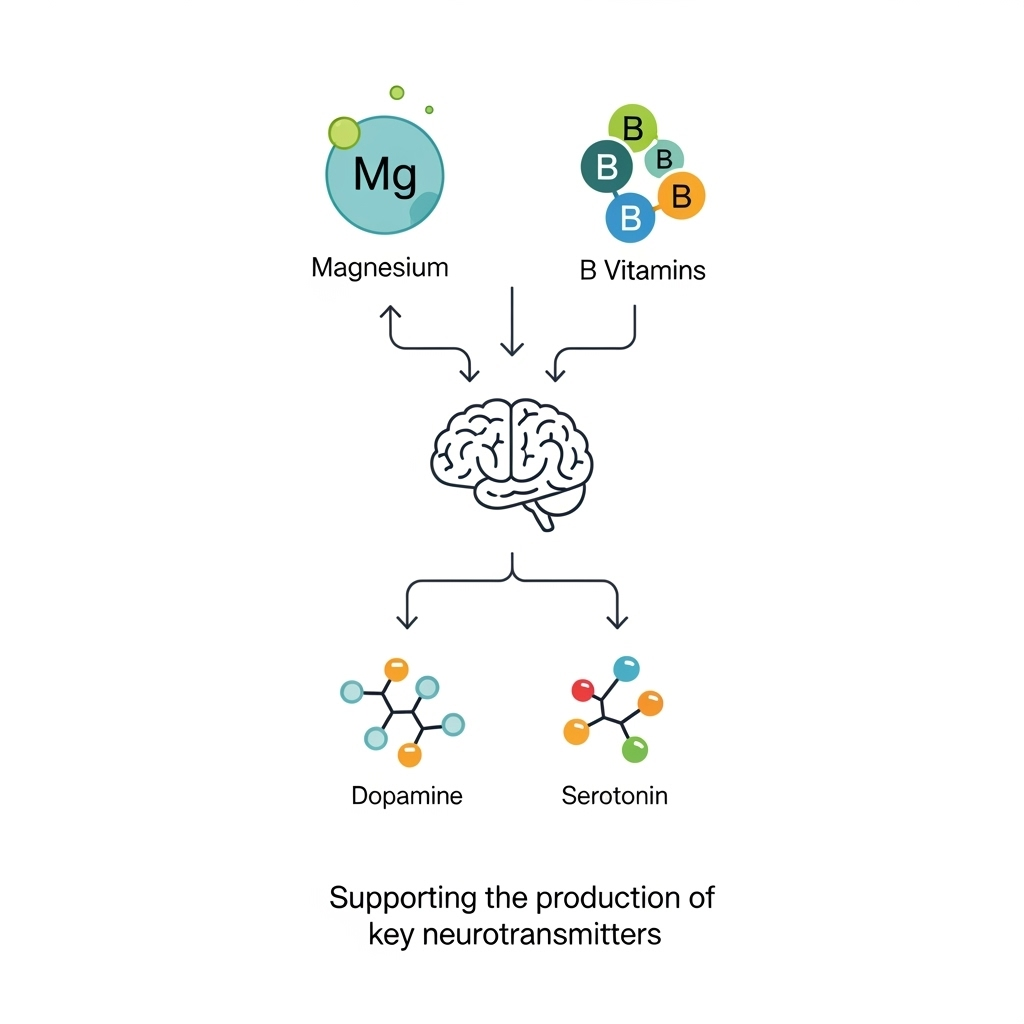
Key Point: Ensuring adequate levels of magnesium and B vitamins provides a fundamental baseline for healthy brain function, which may help stabilize mood and improve concentration.
The Calming Agents: L-Theanine and Glycine for Focus and Behavior
One of the core challenges of ADHD is the feeling of a “buzzing” brain that refuses to settle down, making focus difficult. This is where amino acids like L-Theanine and glycine come into play. L-Theanine, commonly found in green tea, is renowned for its ability to promote alpha brain waves, which are associated with a state of relaxed alertness or “calm focus.” Unlike stimulants, it doesn’t cause jitters or a subsequent crash. Glycine acts as an inhibitory neurotransmitter, helping to regulate nerve impulses and improve sleep quality, which can have a powerful downstream effect on daytime behavior and emotional regulation.
Key Point: L-Theanine and glycine work by calming the nervous system, potentially reducing hyperactivity and improving the ability to focus without causing drowsiness.
Comparing L-Theanine vs. Glycine
| Feature | L-Theanine | Glycine |
|---|---|---|
| Primary Action | Promotes “calm alertness” by increasing alpha brain waves. | Acts as an inhibitory neurotransmitter, regulating nerve signals. |
| Best For | Daytime focus, reducing anxiety and jitters. | Improving sleep quality, promoting overall calm. |
| Found In | Green tea, supplements. | Meat, fish, dairy, supplements. |
The Nighttime Reset: Why Sleep Support is Critical for ADHD
The link between poor sleep and exacerbated ADHD symptoms is a well-documented vicious cycle. A restless night leads to a day of poor focus and impulsivity, which in turn makes it harder to wind down in the evening. A dedicated “night multi-supplement” aims to break this cycle by supporting the body’s natural sleep processes. Ingredients like chamomile provide gentle sedative effects, while magnesium helps relax muscles and the nervous system. When combined with L-theanine and glycine, these components work synergistically to quiet a racing mind, making it easier to fall asleep and stay asleep, leading to a more focused and balanced next day.
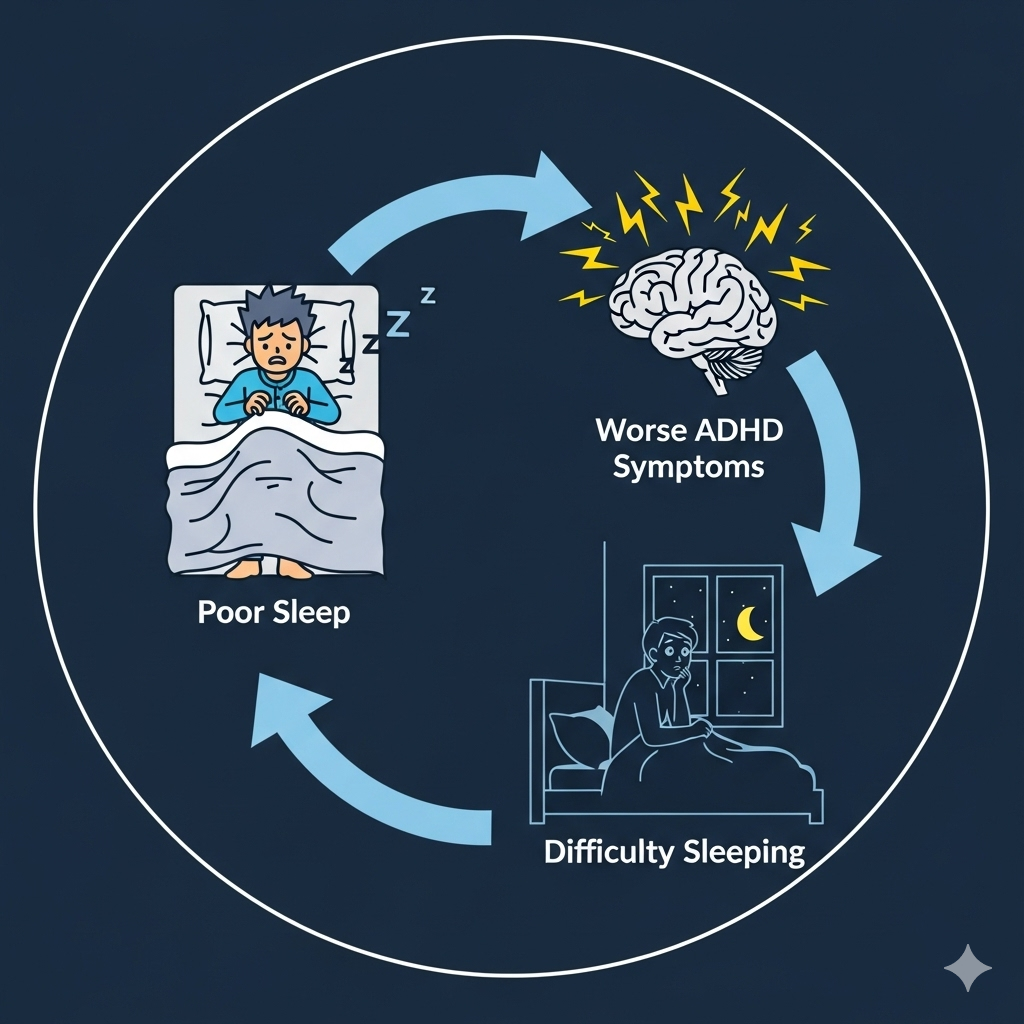
Key Point: A targeted night supplement can break the cycle of poor sleep and heightened ADHD symptoms by promoting relaxation and restorative rest.
Navigating the Market: Choosing Quality Supplements from Brands like Novomins and Olly
The supplement industry is notoriously unregulated, making it difficult to separate high-quality products from ineffective ones. When considering popular brands like Novomins or Olly, it’s essential to become an informed consumer. A reputable supplement should always have transparent labeling that clearly states the dose of each active ingredient. Furthermore, look for evidence of third-party testing from organizations like NSF International or USP, which verifies that the product contains what it claims and is free from contaminants. Prioritizing brands that use bioavailable forms of nutrients—like magnesium glycinate over magnesium oxide—ensures your body can actually absorb and utilize the ingredients effectively.
Key Point: To ensure safety and effectiveness, choose supplements with transparent labeling, third-party testing, and bioavailable ingredients.
Supplement Quality Checklist
| Quality Check | What to Look For | Why It Matters |
|---|---|---|
| Third-Party Testing | Seals from USP, NSF, or ConsumerLab. | Verifies ingredient identity, purity, and potency. |
| Dosage Transparency | Clear amounts for each active ingredient. | Avoids “proprietary blends” that hide ineffective doses. |
| Bioavailability | Easily absorbed forms (e.g., Magnesium Glycinate). | Ensures the nutrient can be used by the body. |
Takeaway
While not a substitute for medical treatment, supplements like magnesium, L-theanine, and B vitamins show promise as valuable tools in a comprehensive ADHD management plan. They can provide essential support for brain health, calm the nervous system, and improve the restorative sleep that is so critical for focus and emotional regulation. As the great physician Paracelsus said, “The dose makes the poison.” This is especially true for supplements, so always consult with a healthcare provider to determine the right approach and dosage for your unique needs before beginning any new regimen.
Resource Content
Sources
- Boyle NB, Lawton C, Dye L. The effects of magnesium supplementation on subjective anxiety and stress—a systematic review. Nutrients. 2017;9(5):429.
- Hidese S, Ogawa S, Ota M, et al. Effects of L-theanine administration on stress-related symptoms and cognitive functions in healthy adults: a randomized controlled trial. Nutrients. 2019;11(10):2362.
- Razak MA, Begum PS, Viswanath B, Rajagopal S. Multifarious beneficial effect of nonessential amino acid, glycine: a review. Oxid Med Cell Longev. 2017;2017:1716701.
Useful Resources
- Explore ADHD information from CHADD: A leading non-profit organization providing evidence-based information, advocacy, and support for individuals with ADHD. https://chadd.org/
- Read articles from ADDitude Magazine: An authoritative resource offering strategies and support for adults and children with ADHD and related conditions. https://www.additudemag.com/
- Review the NIH’s Office of Dietary Supplements: Find fact sheets and scientific information on a wide range of vitamins and supplements. https://ods.od.nih.gov/
FAQs
- Can supplements replace ADHD medication?
No. Supplements should be considered a complementary approach to support overall brain health and can be used alongside traditional treatments, but they are not a replacement. Always consult your doctor. - How long does it take to see effects from these supplements?
It varies greatly. Some people may notice subtle effects from L-theanine within an hour, while nutritional supplements like magnesium and B vitamins may take several weeks of consistent use to address potential deficiencies. - Are there any side effects to be aware of?
Yes. While generally safe, high doses of some supplements can cause side effects. For example, too much magnesium can lead to digestive issues. It’s crucial to stick to recommended dosages and discuss with a healthcare provider.




Leave a Reply