Science
-

Causal Machine Learning: Signposts, Levers and HDL
Causal machine learning asks what would happen if we changed something. The HDL story shows why a strong predictor can still be the wrong target to treat.
-

Directed Acyclic Graph: Find the Research Gaps Worth Funding
A directed acyclic graph built from the evidence shows which untested questions your data can answer. See how causal algebra turns it into a research agenda.
-

P-Value Myths: Why p < 0.05 Is Not 95% Sure
A p-value below 0.05 does not mean you can be 95% sure. Learn what a p-value measures, why confidence intervals mislead, and what Bayesian analysis adds.
-
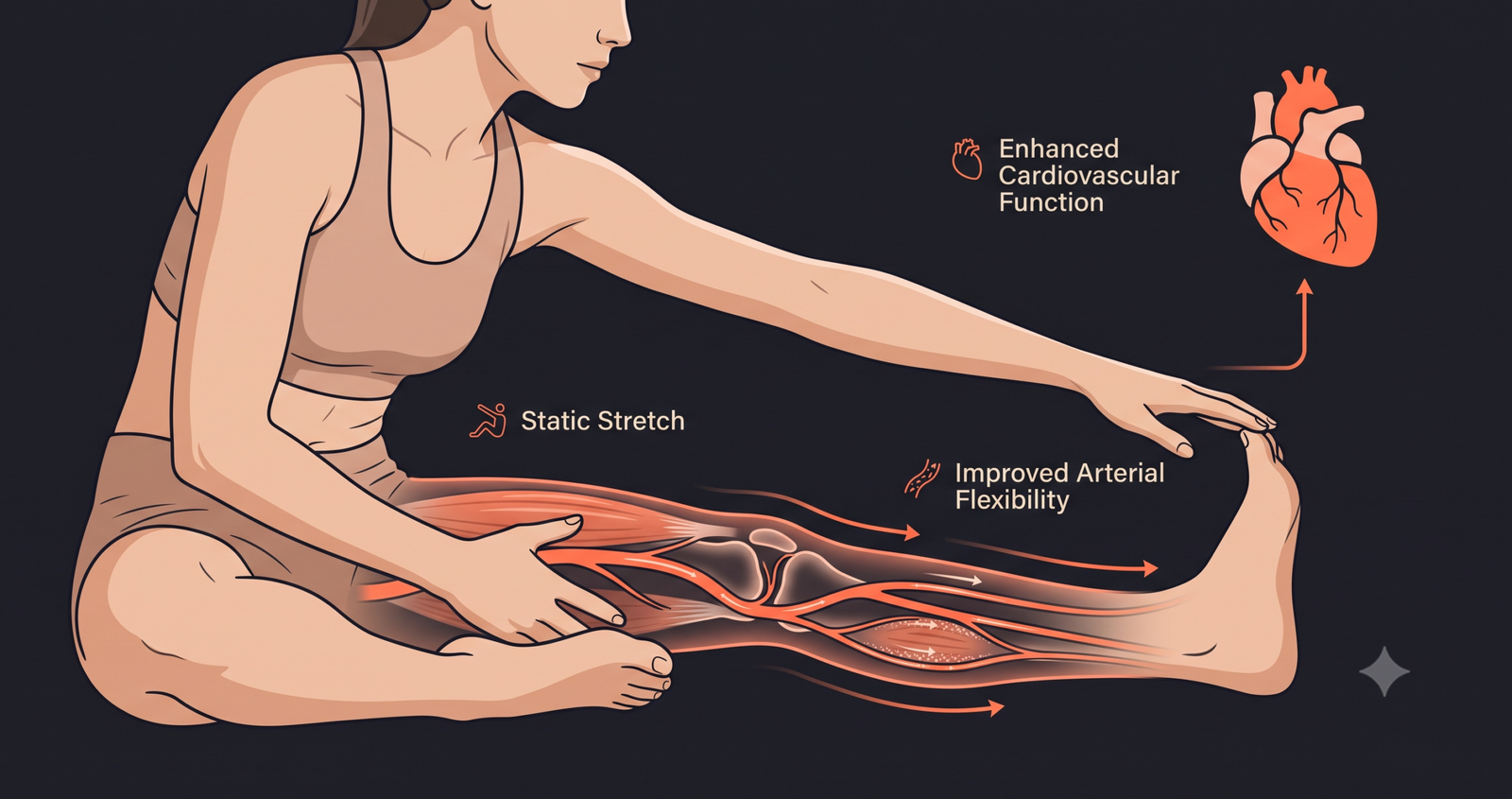
Stretching for Heart Health: Benefits Beyond Flexibility
Regular stretching reduces arterial stiffness, lowers blood pressure, and improves vascular function. Here is what the evidence shows
-

Blue Light and the Master Clock in Your Brain: Risks for Sleep, Eyes, and Children
Blue light from screens shifts your circadian rhythm and delays sleep. See what trials show for sleep, eye health, and children, and what really helps.
-

Building a Research Culture: Our Road to R2 Starts With What We Do Best
A health sciences college can build a research culture on the road to R2 by starting with teaching, clinical practice, and mentoring, then adding support.
-

Is Healthspan the Same as Natural Aging?
Is healthspan the same as natural aging? We trace what natural means, from hunter-gatherers to industrial cities, and ask when medicine stopped asking why.
-

Why Machine Learning Can’t Answer ‘What If?’
Machine learning can predict with stunning accuracy and still mislead about cause and effect. See how causal inference separates prediction from causation.
-

Causality and Study Design: RCT vs Case-Control vs PSM
Which study design supports causality? See how case-control, propensity score matching, and RCTs meet the Bradford Hill criteria, and where each falls short.
-
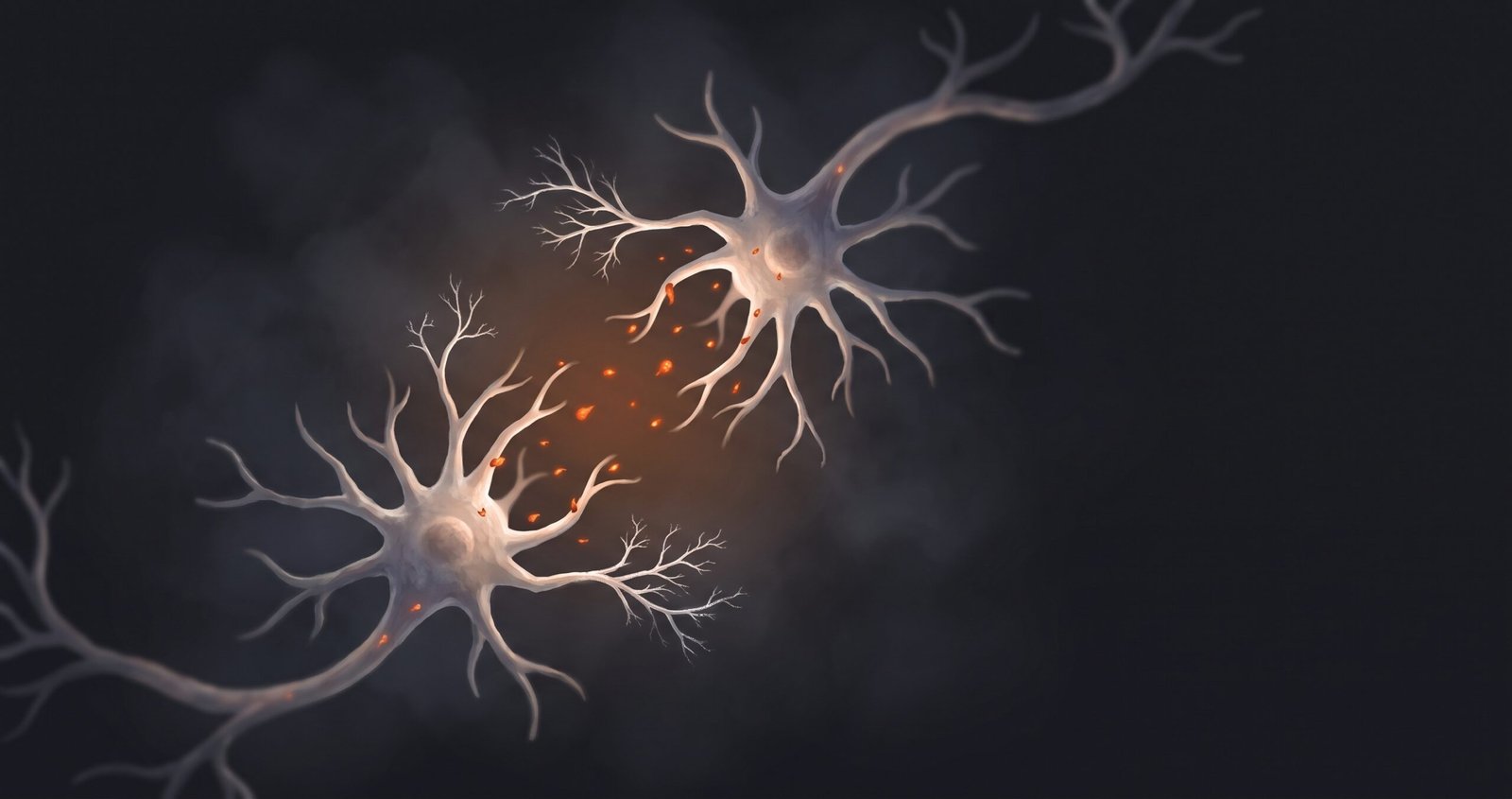
How Do Antidepressants Actually Work? The Serotonin Story and Newer Ideas
How antidepressants work is still debated. Learn what the serotonin story gets wrong, what newer brain research suggests, and how well these drugs help you.
-

Physical Activity vs Antidepressants: The Surprising Results
In head-to-head trials, physical activity eased depression about as much as antidepressants. See how strong the evidence is and which activities help.
-

Propensity Score Matching: Causality Without a Trial
Propensity score matching can support causal claims from observational research, if you design first, check balance and test for hidden confounding.
-

The Hidden Bridge: Why Your Kinesiology Degree is a Golden Ticket to Biotech
The Hidden Bridge: Kinesiology to Biotech Introduction Is your kinesiology degree just a stepping stone to physical therapy school, or is it a launchpad for something bigger? Many undergraduates fear that without a graduate degree, their career options are limited to gym floors or coaching. This stereotype ignores a massive shift in the job market:…
-
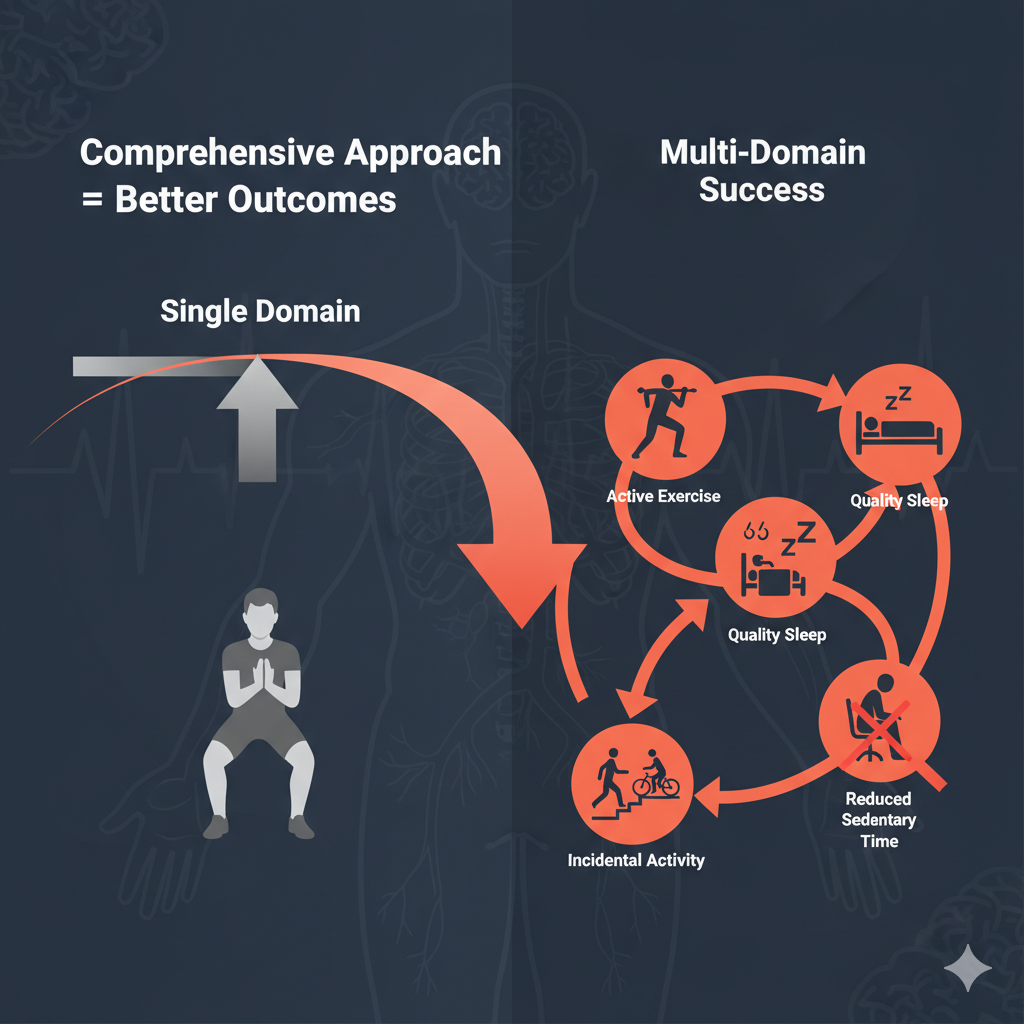
Proven Models for Stroke Recovery: Multi-Domain Approach
Comparing behavior change models reveals why multi-domain interventions—addressing exercise, sleep, and sedentary behavior together—outperform single-focus programs for stroke recovery.
-
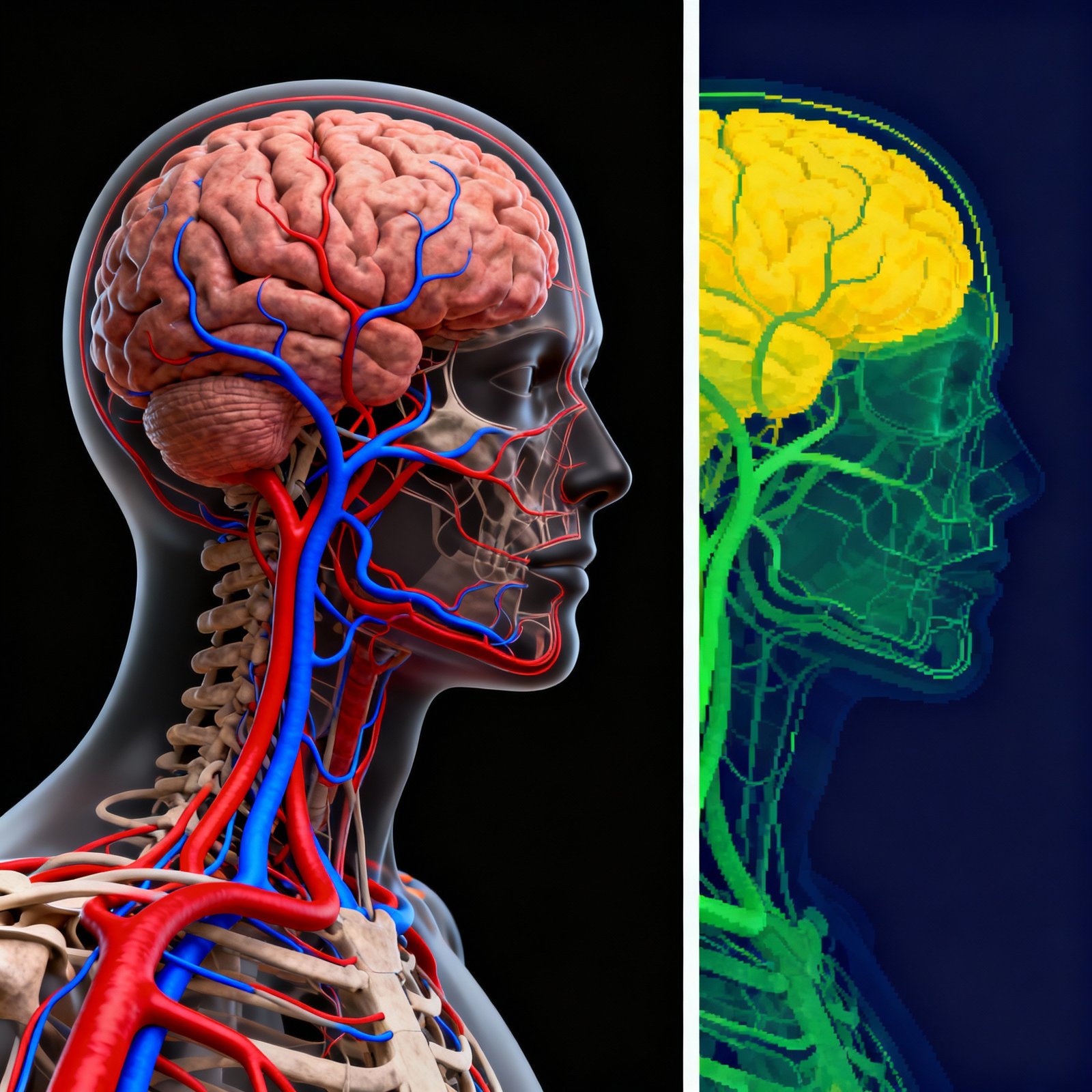
How Brain Blood Flow Powers Cognitive Performance and Learning
How Brain Blood Flow Powers Your Cognitive Performance and Learning Ability Your brain represents only 2% of your body weight yet demands 15-20% of your cardiac output—a staggering energy requirement that underscores the critical importance of cerebral blood flow for cognitive function[1,2]. Brain blood flow, or cerebral perfusion, is the fundamental process through which oxygen,…
-
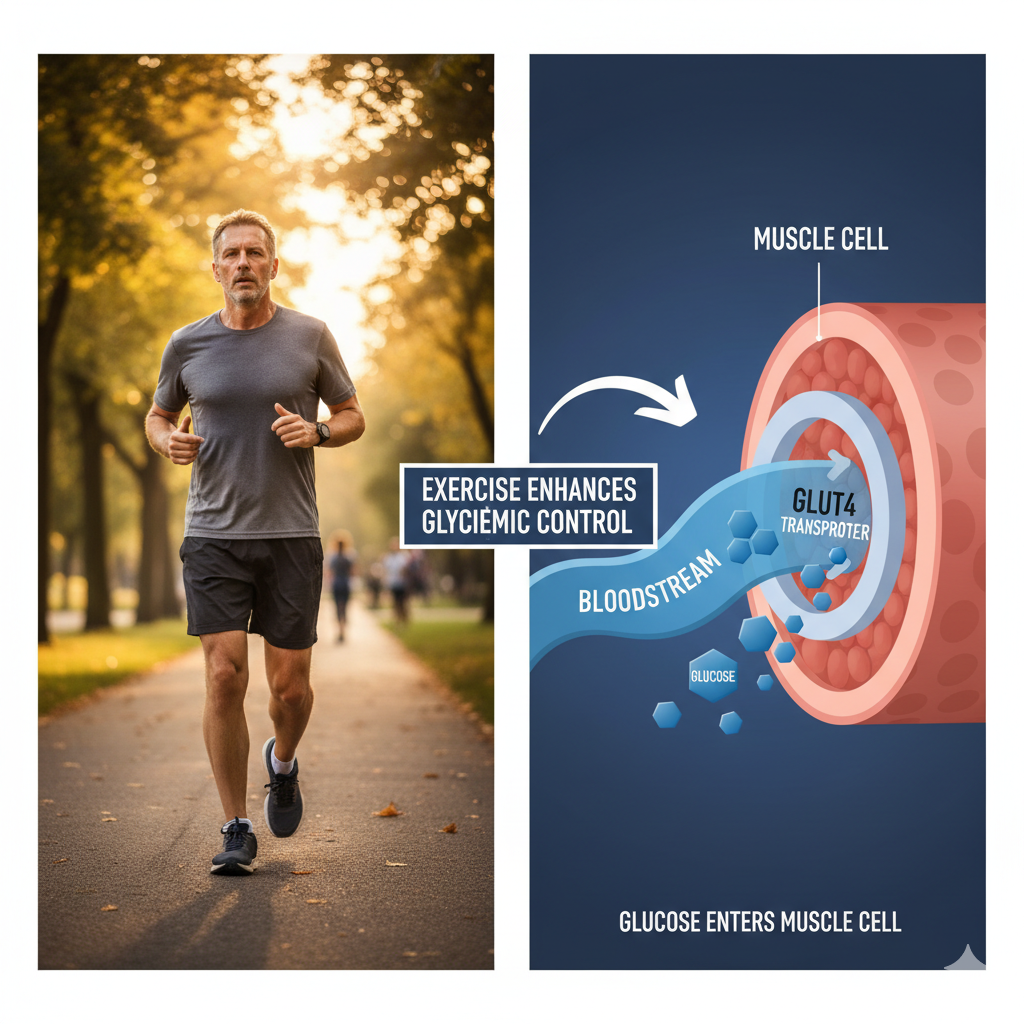
Beyond Medication: Proven Exercise Guidelines for Diabetes Management
Learn the evidence-based exercise guidelines for diabetes management. This guide covers GLUT4 activation, safety protocols, and how to achieve optimal glycemic control.
-
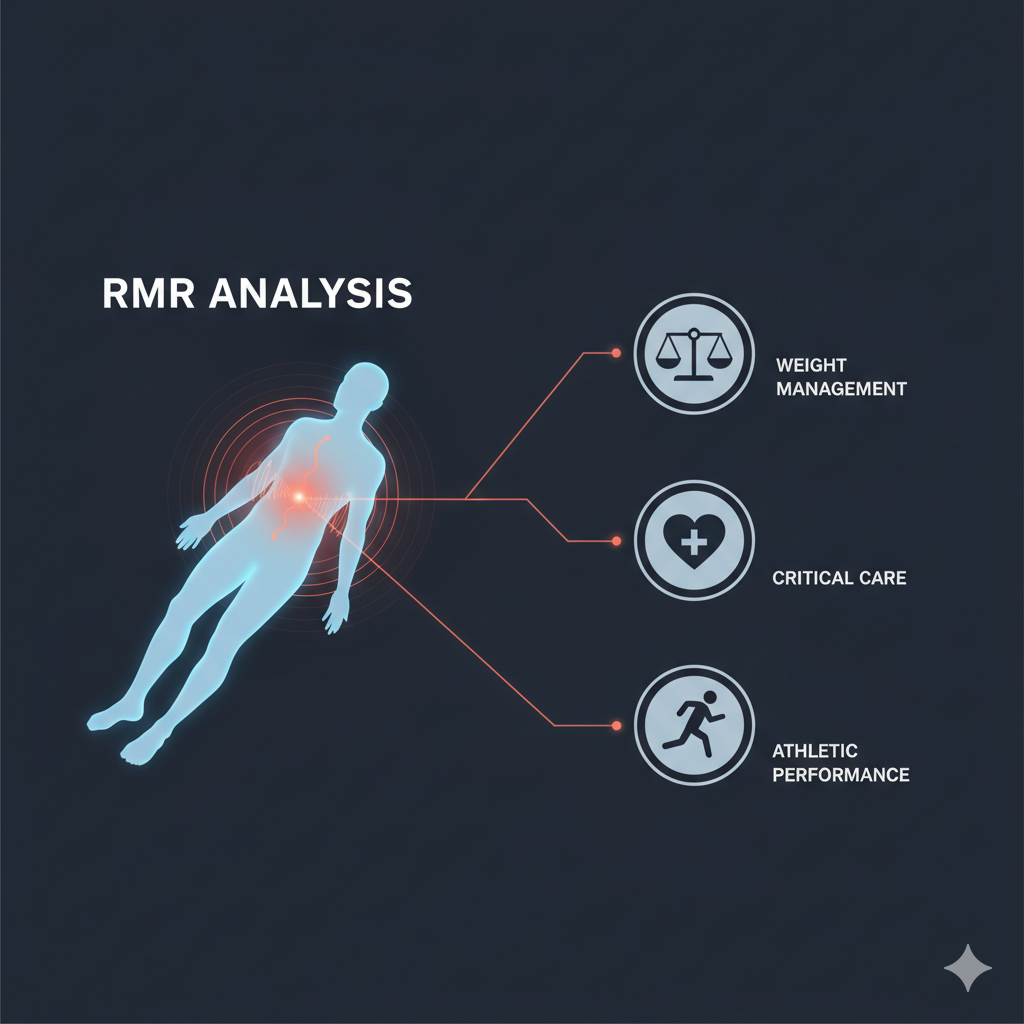
Resting Metabolic Rate: A Critical Guide for Clinical Application
Discover the science behind Resting Metabolic Rate (RMR), the critical metric that governs 60-75% of your daily calorie burn. This guide covers gold-standard measurement, key influencing factors, and essential clinical applications for weight management and patient care.
-
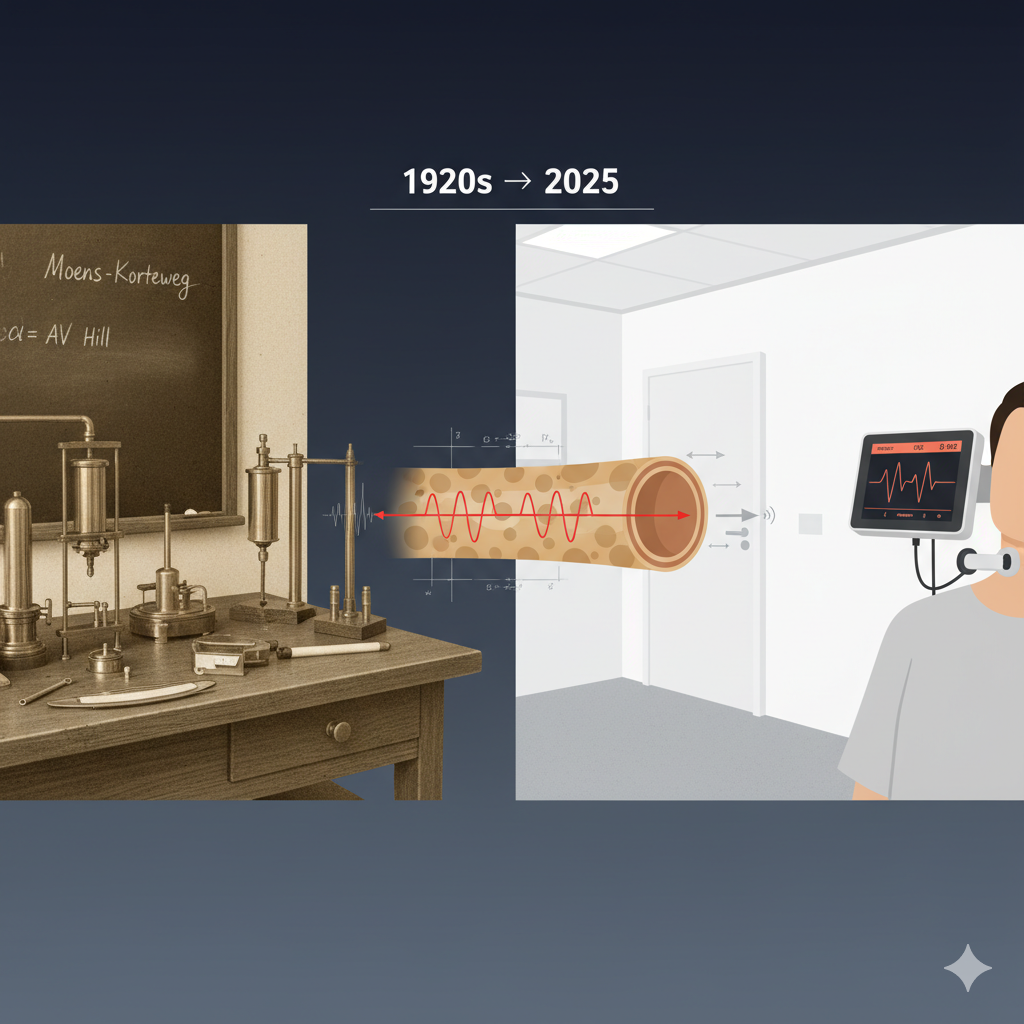
Pulse Wave Velocity: Physics to Clinical Prediction
Discover how pulse wave velocity evolved from AV Hill’s 1920s physics to become a powerful predictor of cardiovascular risk today.
-
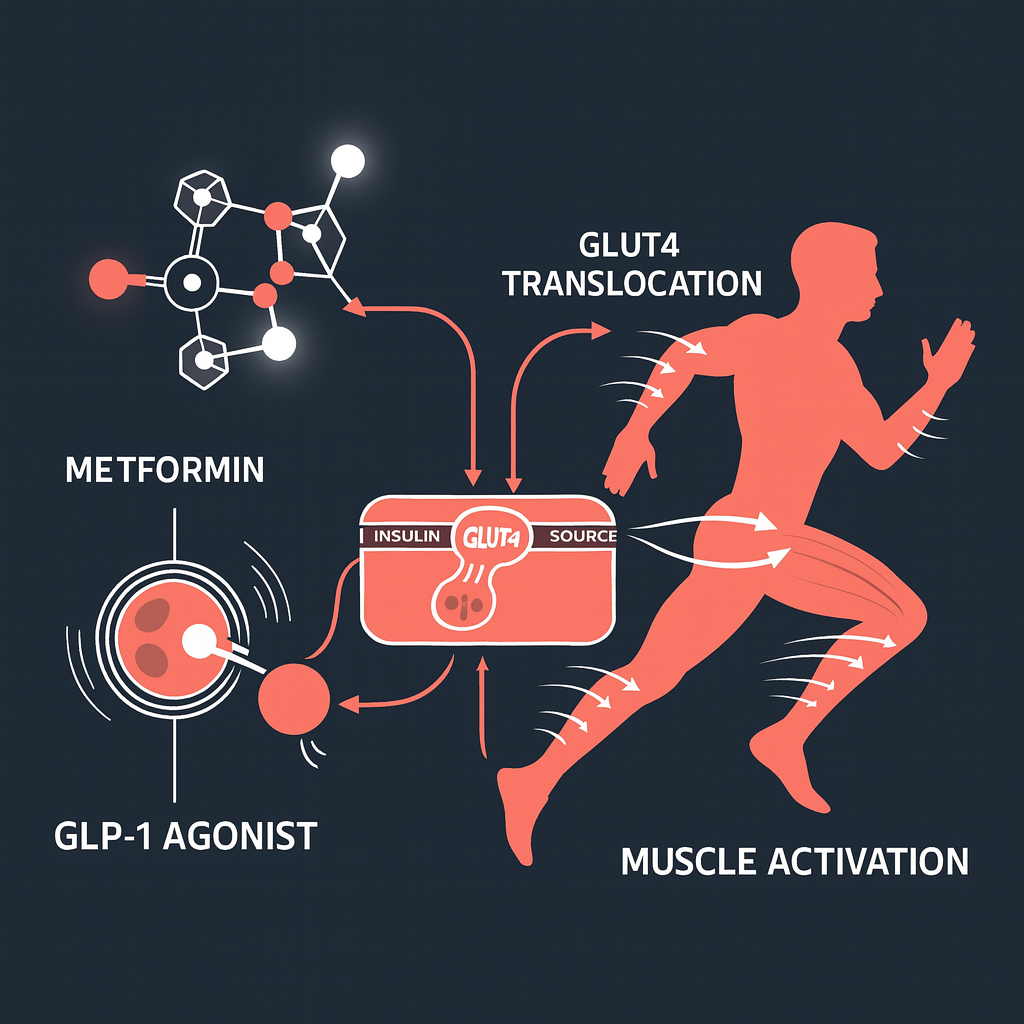
The GLUT4 Connection: How Diabetes Medications, Exercise, and Nutrition Work Together
Discover how insulin sensitizers, exercise, and nutrition activate the same cellular pathway—GLUT4—empowering you to take control of type 2 diabetes management.
-
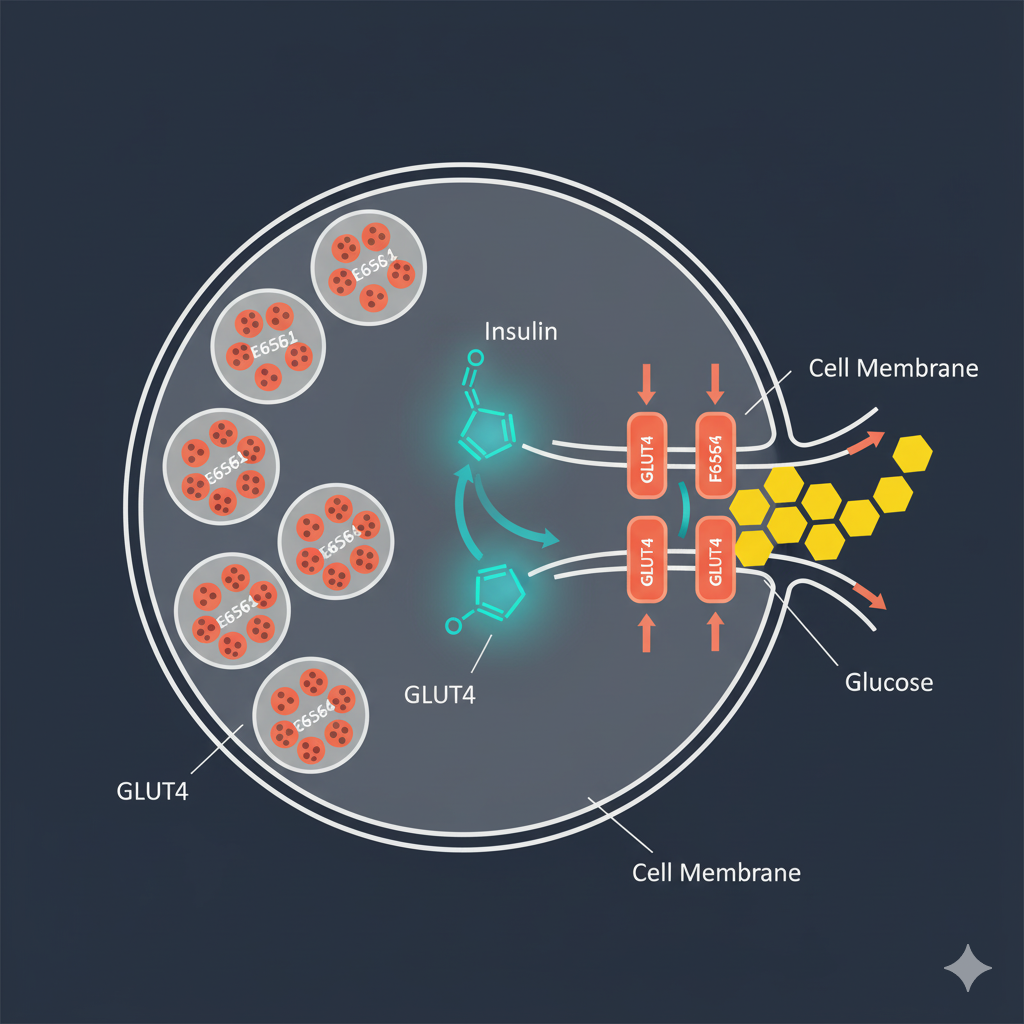
Diabetes Control: A Scientific Showdown of Meds vs. Lifestyle
Explore the science behind diabetes management. This article breaks down the unique ways medications and exercise control blood sugar, revealing how they can work together for optimal health.
-
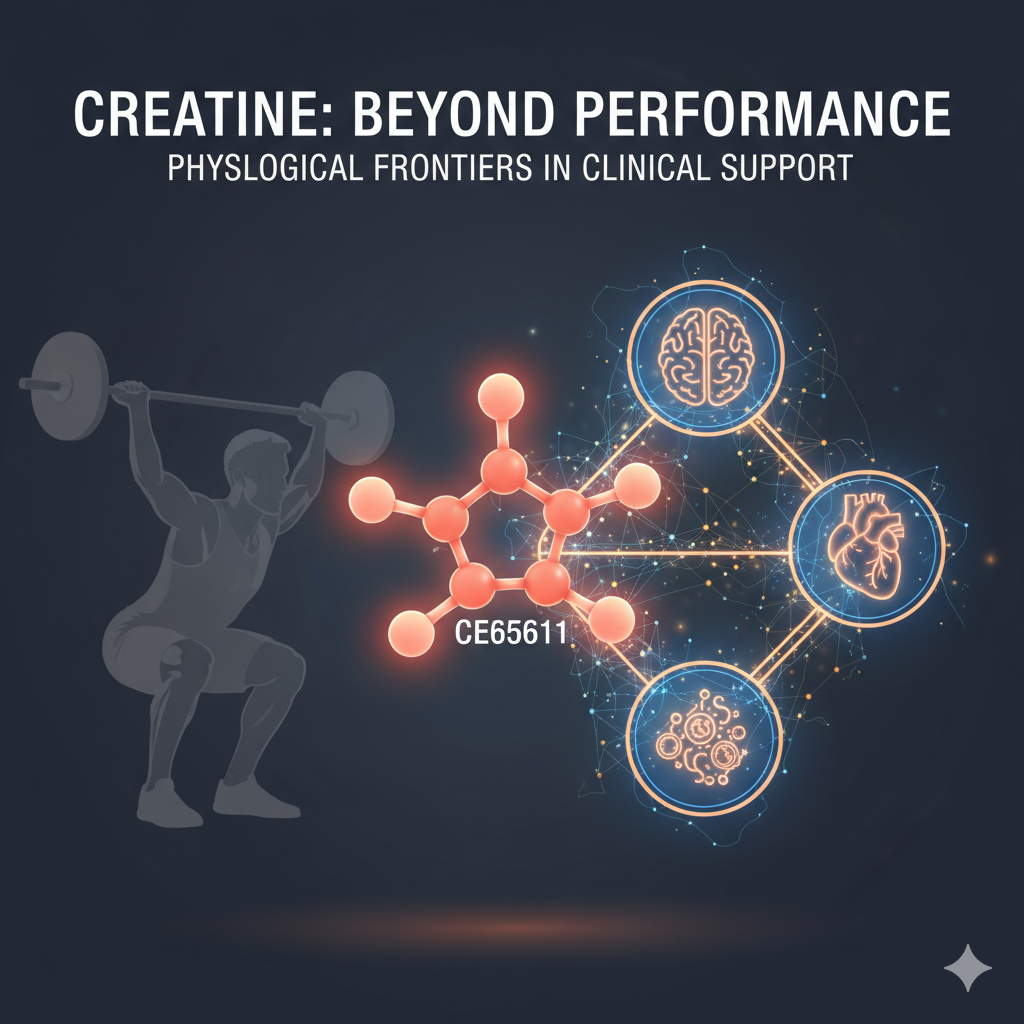
Evidence-Based Creatine: A Critical Tool for Chronic Disease
Discover the evidence-based role of creatine in chronic disease. Learn how this powerful supplement supports energy metabolism, muscle health, and brain function beyond the gym, offering a critical tool for improving physiological resilience.
-

The Heart-Brain Connection: How Cardiovascular Health Powers Your Memory
Think your heart only pumps blood? Think again. Every beat of your heart is sending vital resources to your brain—oxygen, nutrients, and the fuel your neurons need to form memories, solve problems, and keep you sharp. The connection between cardiovascular health and cognitive function isn’t just interesting science—it’s a fundamental relationship that shapes how well…
-
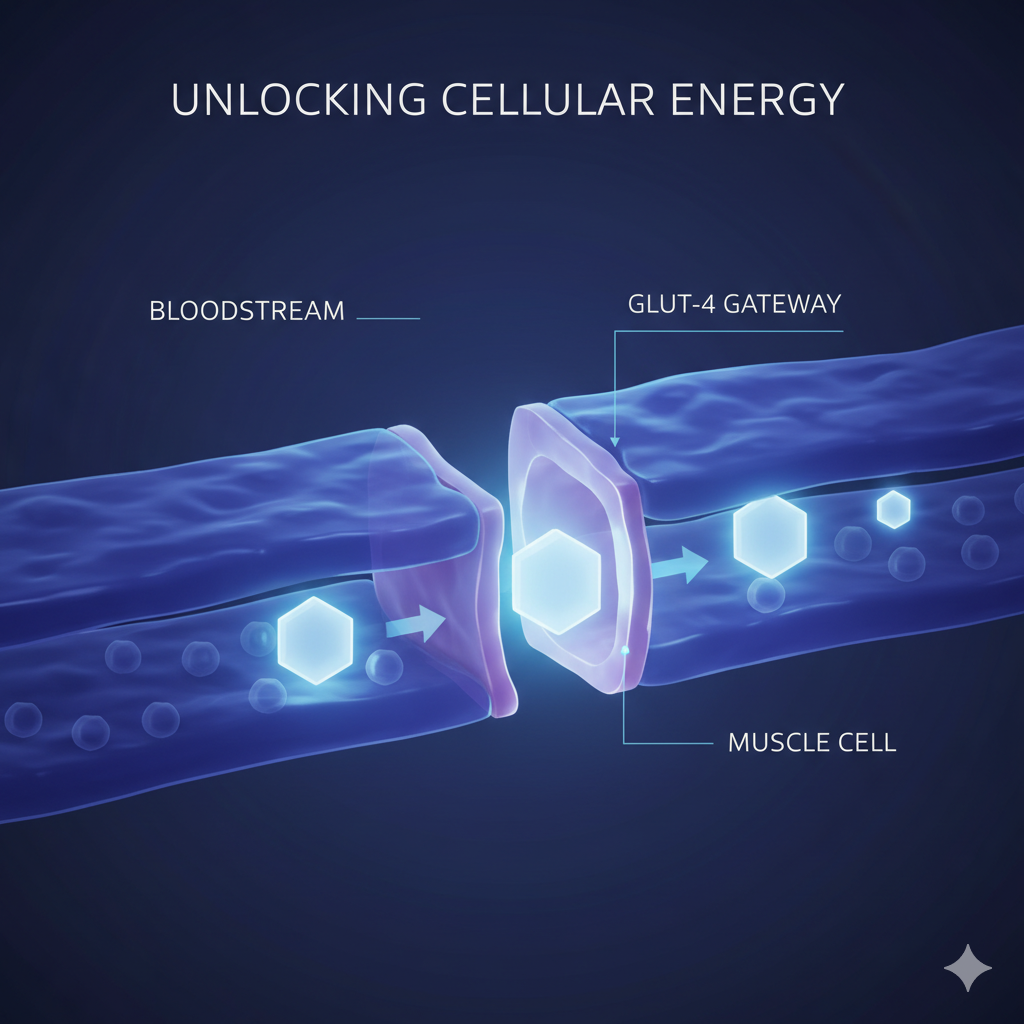
Unlocking Cellular Energy: How Exercise & Metformin Activate GLUT-4 to Fight Diabetes
Introduction Diabetes management often focuses on insulin, but what if there was another way to help your cells absorb the glucose they need for energy? The secret lies with a protein called GLUT-4, which acts as a cellular gateway for glucose. Understanding how to activate this gateway through exercise and medication provides a powerful strategy…
-
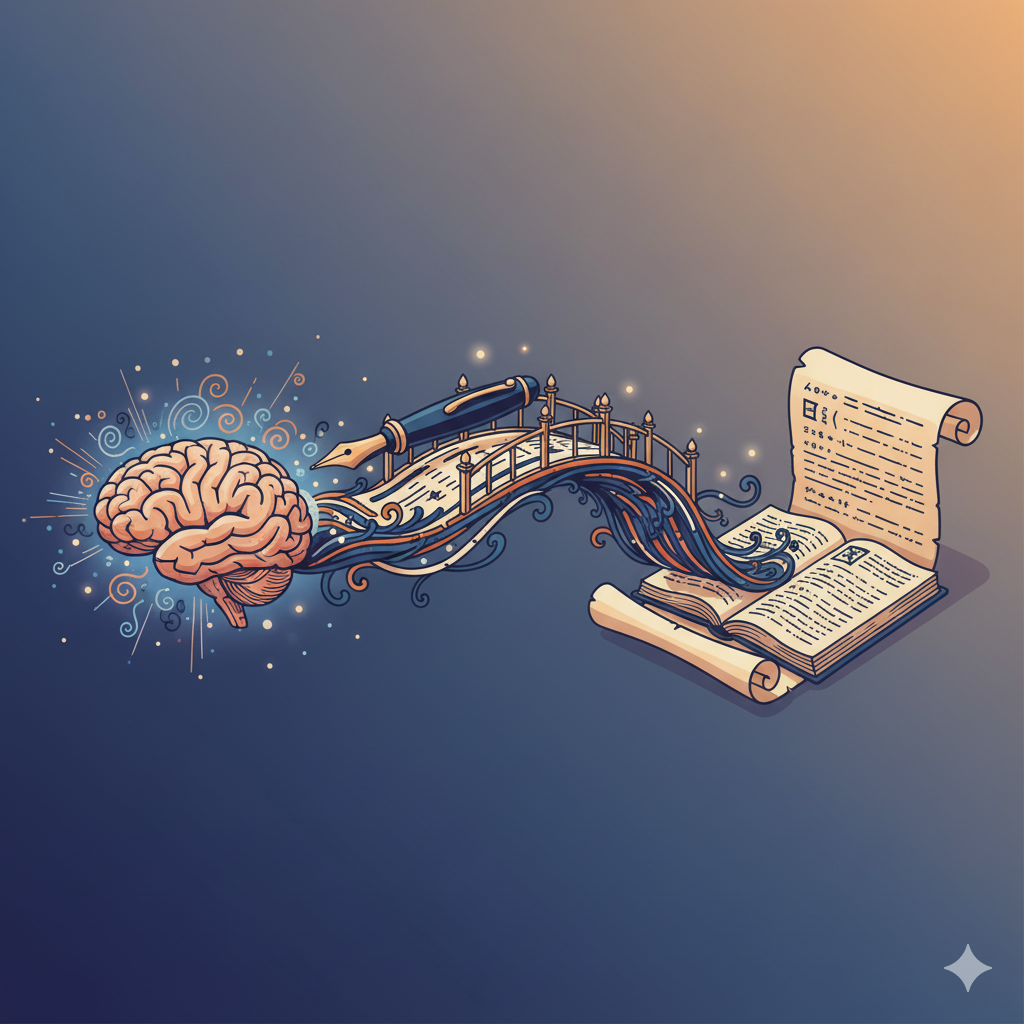
The Science of Writing: How Words Shape Thought
Discover how writing reshapes the brain, boosts learning, sparks creativity, and supports wellbeing — the science of words as tools for thought.
-

Exercising for Two: A Guide to Safe Pregnancy Fitness
Your complete guide to safe exercise during pregnancy and postpartum. Learn about safety guidelines, core exercises, contraindications, and how to fuel your body for a healthy, active pregnancy. Navigating the world of exercise during pregnancy can feel overwhelming, filled with conflicting advice. Yet, staying active is one of the most beneficial things you can do…
-

Beyond the Prescription: Can Supplements Like Magnesium & L-Theanine Help Manage ADHD?
Exploring how supplements such as magnesium, L-theanine, and B vitamins may help manage ADHD symptoms. Learn about natural support for focus, behavior, and sleep.
-

Sit Less, Succeed More: The New Science of Active Learning in the Classroom
Discover SitLESS, the science-backed framework using movement breaks to fight fatigue, boost brainpower, and improve success in the college classroom. Learn how to sit less and succeed more.
-
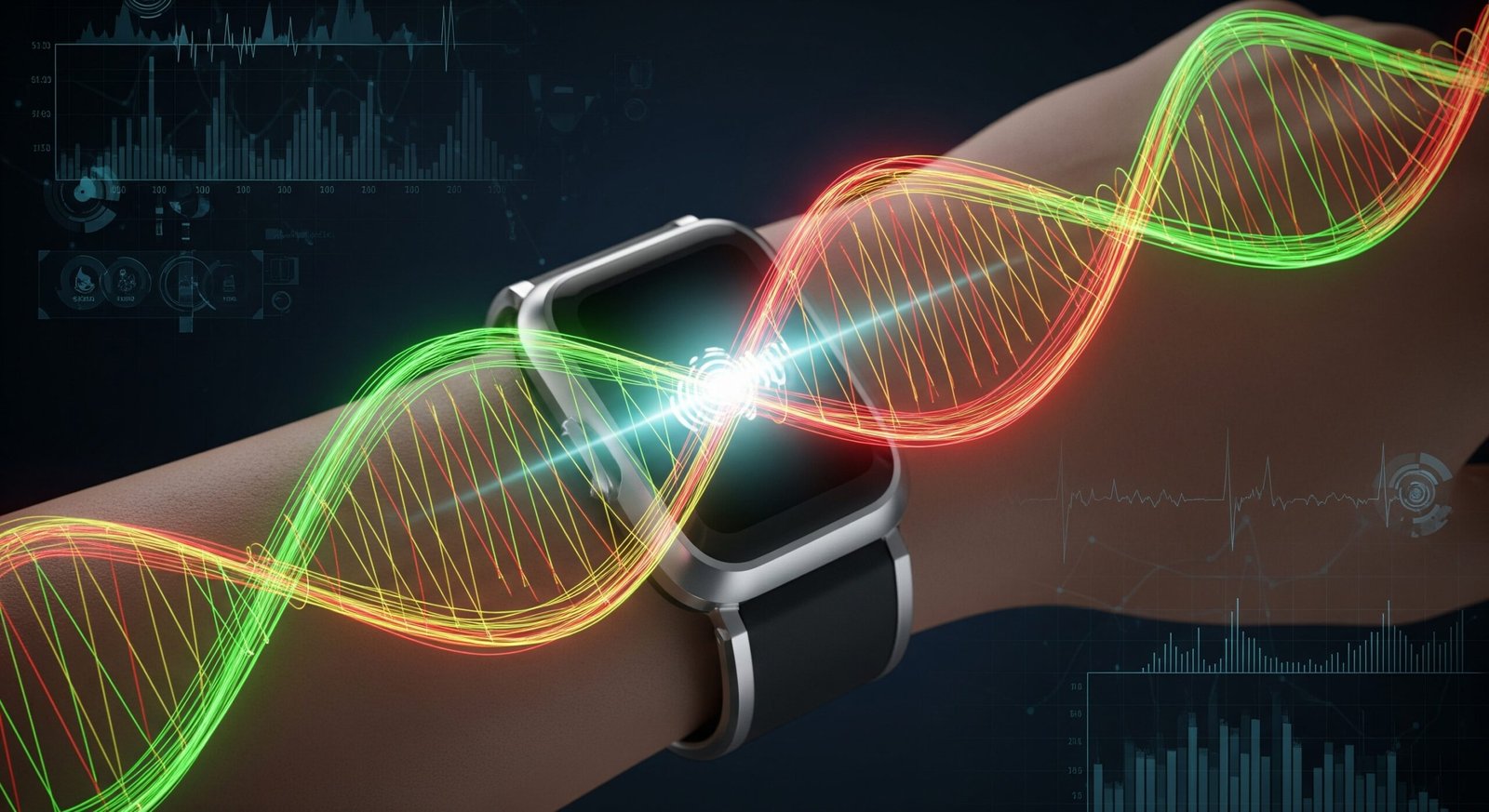
Beyond the Step Count: How NIRS and PPG Sensors Are Revolutionizing Wearable Health Tech
Discover how advanced optical sensors like NIRS and PPG are transforming wearables into powerful devices for tracking biometric data and enabling remote patient monitoring. Go beyond steps to unlock deeper health insights.