
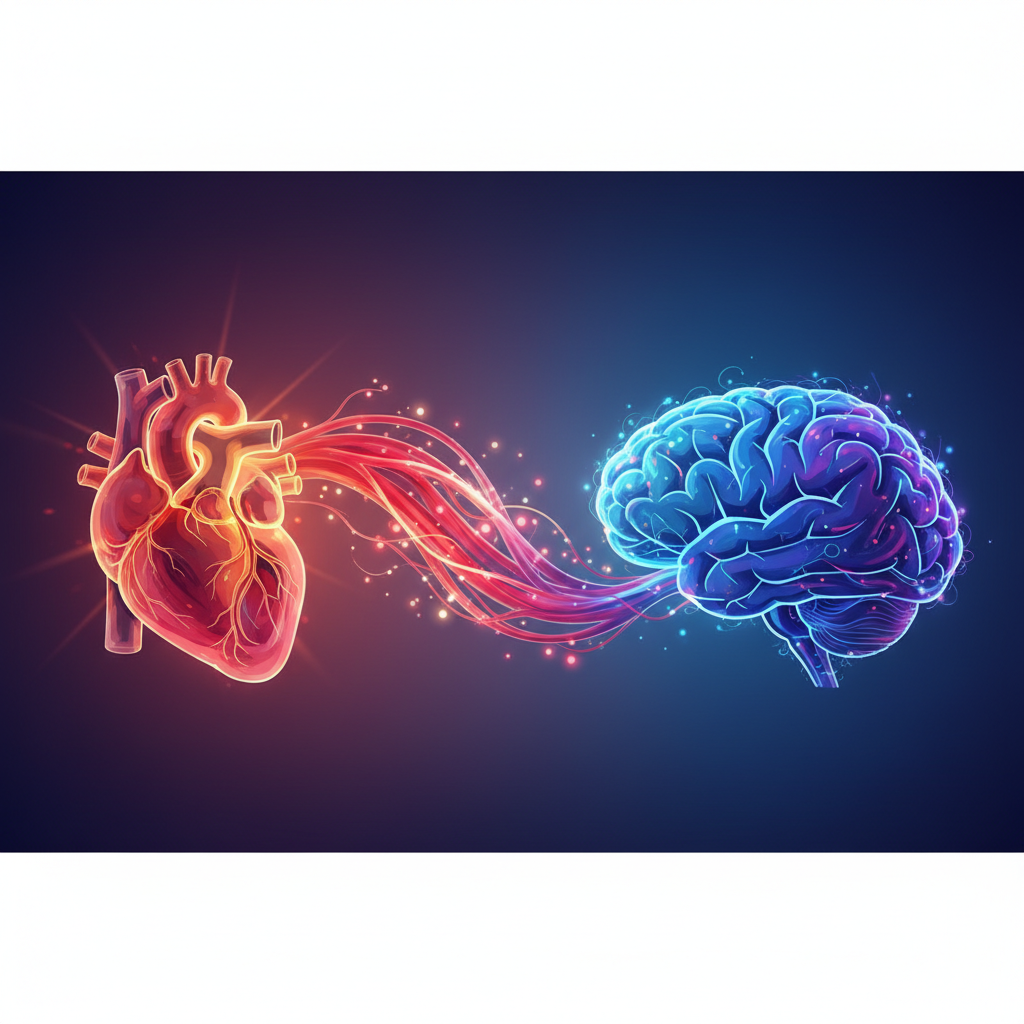
Think your heart only pumps blood? Think again. Every beat of your heart is sending vital resources to your brain—oxygen, nutrients, and the fuel your neurons need to form memories, solve problems, and keep you sharp. The connection between cardiovascular health and cognitive function isn’t just interesting science—it’s a fundamental relationship that shapes how well your brain performs throughout your life.
Recent research has revealed something remarkable: the same habits that protect your heart also safeguard your memory. Understanding this connection could be your key to maintaining mental clarity for decades to come.
The Cardiovascular-Cognitive Highway
Your brain is an energy-hungry organ, consuming about 20% of your body’s oxygen supply despite representing only 2% of your body weight. Every moment of every day, your cardiovascular system acts as a sophisticated delivery network, transporting oxygen-rich blood through an intricate web of vessels to fuel your approximately 86 billion neurons.
When your heart is healthy and your blood vessels are clear and flexible, this delivery system operates at peak efficiency. Blood flows smoothly through your cerebral arteries, ensuring that every region of your brain receives the resources it needs. The hippocampus—your brain’s memory center—is particularly dependent on this steady supply. Without adequate blood flow, neurons begin to struggle, and cognitive function suffers.
Cardiovascular fitness doesn’t just maintain this system; it actively improves it. Regular physical activity strengthens your heart’s pumping capacity, reduces arterial stiffness, and promotes the growth of new blood vessels in the brain through a process called angiogenesis. The result? A more resilient, better-nourished brain.
Exercise: The Ultimate Brain Booster
Here’s where movement enters the picture as a powerful cognitive enhancer. When you engage in physical activity—whether it’s a brisk walk, a swim, or a dance session—you’re not just exercising your muscles. You’re triggering a cascade of beneficial changes in your brain.
During exercise, your heart rate increases, pumping more blood to your brain and delivering a surge of oxygen and glucose. But the benefits go far beyond this immediate boost. Physical activity stimulates the release of brain-derived neurotrophic factor (BDNF), a protein that acts like fertilizer for your brain cells. BDNF promotes neuroplasticity—the brain’s ability to form new neural connections—and supports the growth of new neurons, particularly in the hippocampus.
Different types of movement offer unique cognitive benefits. Aerobic exercise—activities that get your heart pumping for sustained periods—appears particularly effective for memory and executive function. Resistance training has been shown to improve attention and processing speed. Even moderate-intensity activities like walking can produce measurable improvements in cognitive performance.
The key is consistency. Regular physical activity creates cumulative benefits, gradually enhancing both cardiovascular fitness and brain health over time.
The Science Behind the Connection
The research connecting cardiovascular health to cognitive function is compelling and continues to grow. Studies have shown that individuals with better cardiovascular fitness perform significantly better on memory tests and demonstrate greater brain volume in regions critical for cognition. Conversely, cardiovascular risk factors—such as high blood pressure, high cholesterol, and poor aerobic capacity—are associated with accelerated cognitive decline and increased dementia risk.
One landmark study found that adults with higher cardiovascular fitness showed less age-related brain tissue loss, particularly in regions involved in memory and attention. Other research has demonstrated that even small improvements in cardiovascular health can translate to measurable cognitive benefits.
The mechanisms are multifaceted. Healthy cardiovascular function reduces inflammation throughout the body, including in the brain. It helps regulate blood sugar levels, preventing the damaging effects of chronic hyperglycemia on brain tissue. It supports the clearance of metabolic waste products from the brain, including proteins associated with Alzheimer’s disease.
When cardiovascular health declines—whether through sedentary behavior, poor diet, or untreated conditions like hypertension—the brain pays the price. Reduced blood flow, increased oxidative stress, and vascular damage all contribute to cognitive impairment over time.
Practical Takeaways
So how much exercise do you need to reap these cognitive benefits? The good news is that you don’t need to become a marathon runner. Research suggests that 150 minutes of moderate-intensity aerobic activity per week—about 30 minutes, five days a week—can produce significant improvements in both cardiovascular and cognitive health.
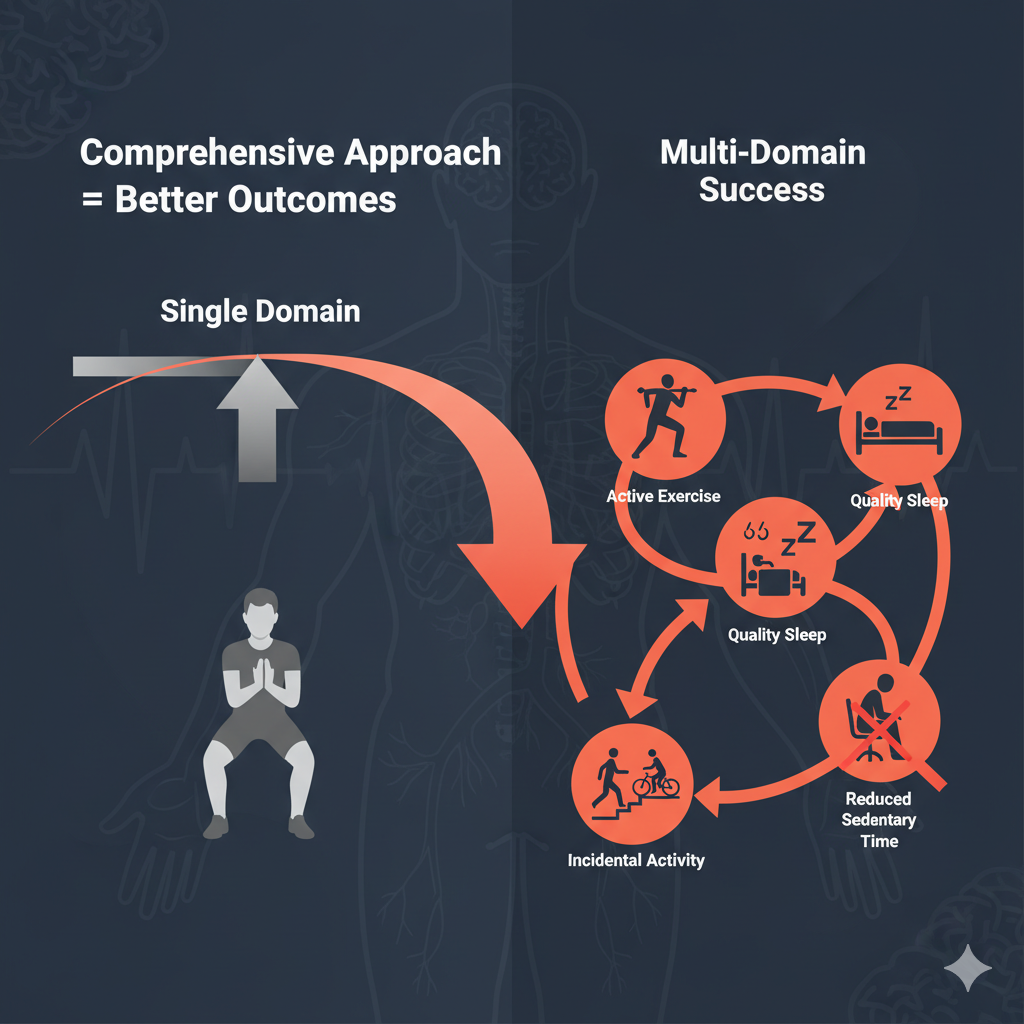
But exercise is just one piece of the puzzle. Other heart-healthy habits amplify these benefits:
- Nutrition matters: A diet rich in fruits, vegetables, whole grains, and omega-3 fatty acids supports both cardiovascular and brain health.
- Sleep is essential: Quality sleep allows your brain to consolidate memories and your cardiovascular system to recover.
- Stress management: Chronic stress damages both heart and brain; practices like meditation and deep breathing offer protection.
- Social connection: Meaningful relationships reduce cardiovascular risk and support cognitive resilience.
Start where you are. Take a 10-minute walk today. Choose stairs over the elevator. Park farther from the entrance. Small steps accumulate into significant health improvements over time.
Conclusion
Your heart and brain are partners in the most literal sense—one cannot thrive without the other. Every choice you make for cardiovascular health is simultaneously an investment in your cognitive future. The person you want to be at 70, 80, or 90—sharp, independent, and mentally vibrant—is shaped by the decisions you make today.
The science is clear: move your body, strengthen your heart, and protect your mind. Your future self will thank you for it.
Ready to start? Put this article down and take a five-minute walk. Your brain will thank you for it.



Leave a Reply