
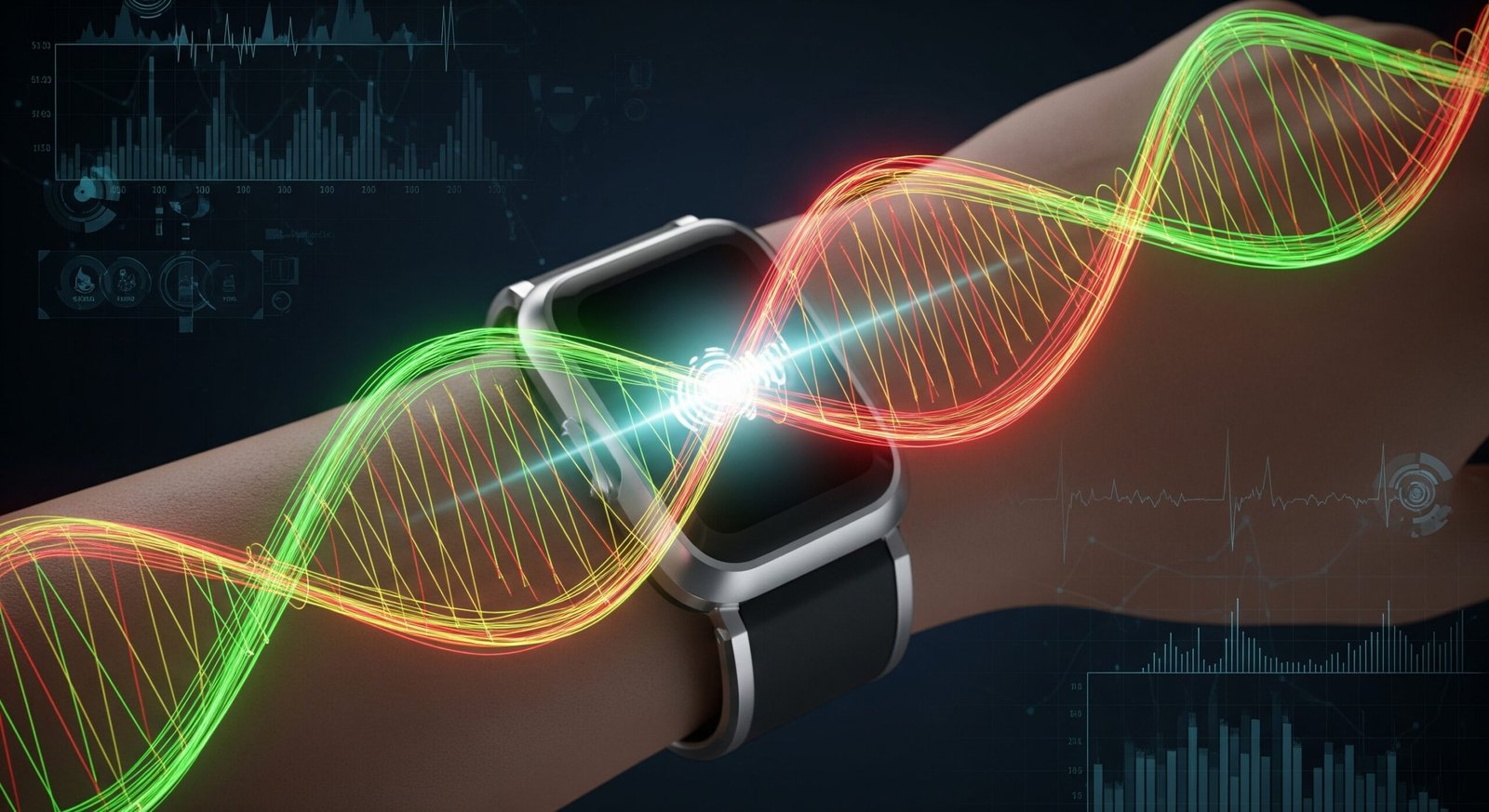
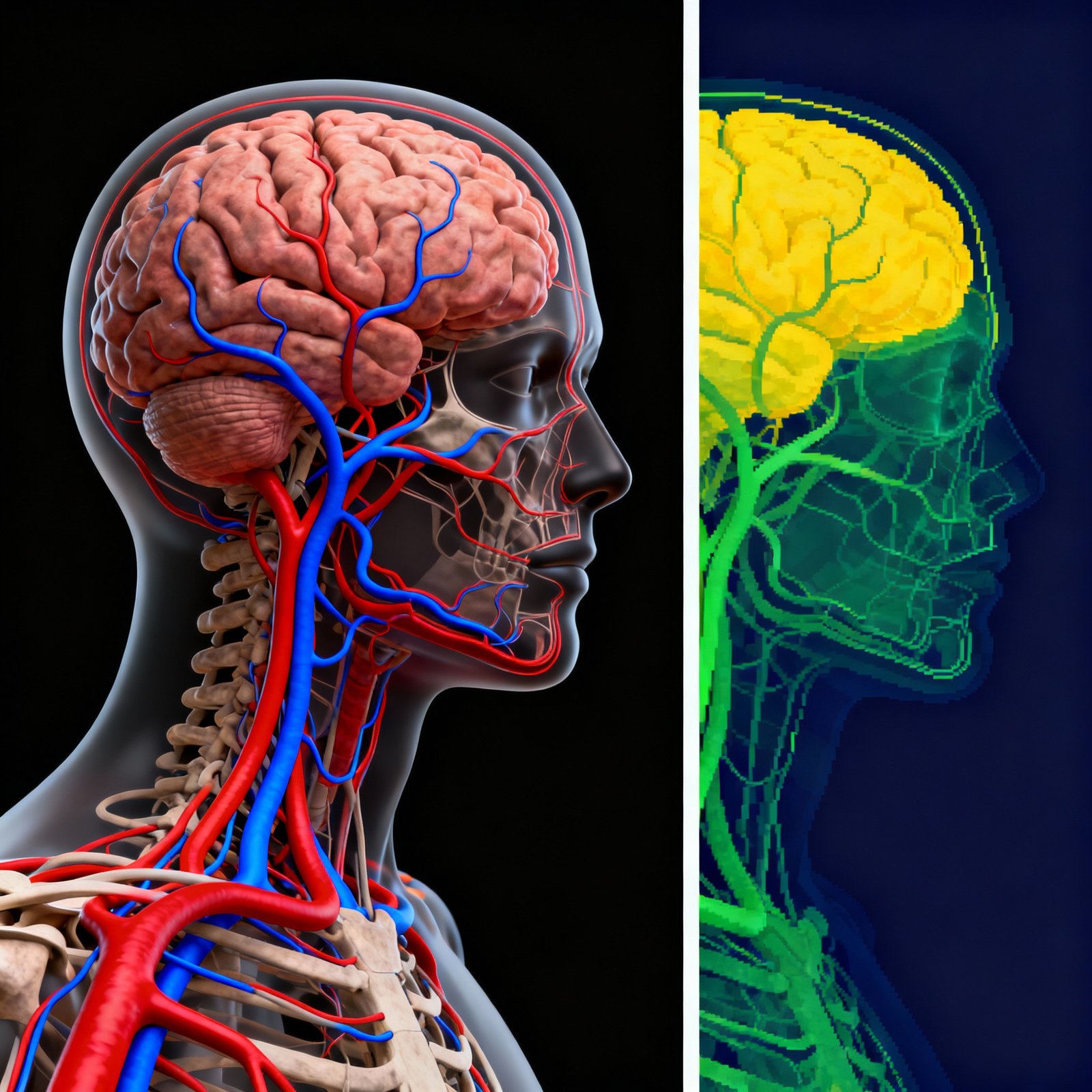
Wearable technology has leaped far beyond simple step tracking, evolving into sophisticated gadgets for serious health monitoring. This transformation is largely thanks to advanced optical sensors that can peer beneath our skin. Two of the most powerful technologies leading this charge are Photoplethysmography (PPG) and Near-Infrared Spectroscopy (NIRS).
Key Point: Modern wearables use light-based optical sensors to provide a continuous stream of detailed biometric data, offering unprecedented insight into our personal health.
| Learning Objectives |
| Understand the basic function of PPG sensors in everyday wearables. |
| Discover how NIRS technology offers deeper physiological measurements. |
| Appreciate the future potential of combining these sensors for comprehensive health tracking. |
The Heart of the Matter: Understanding PPG Sensors
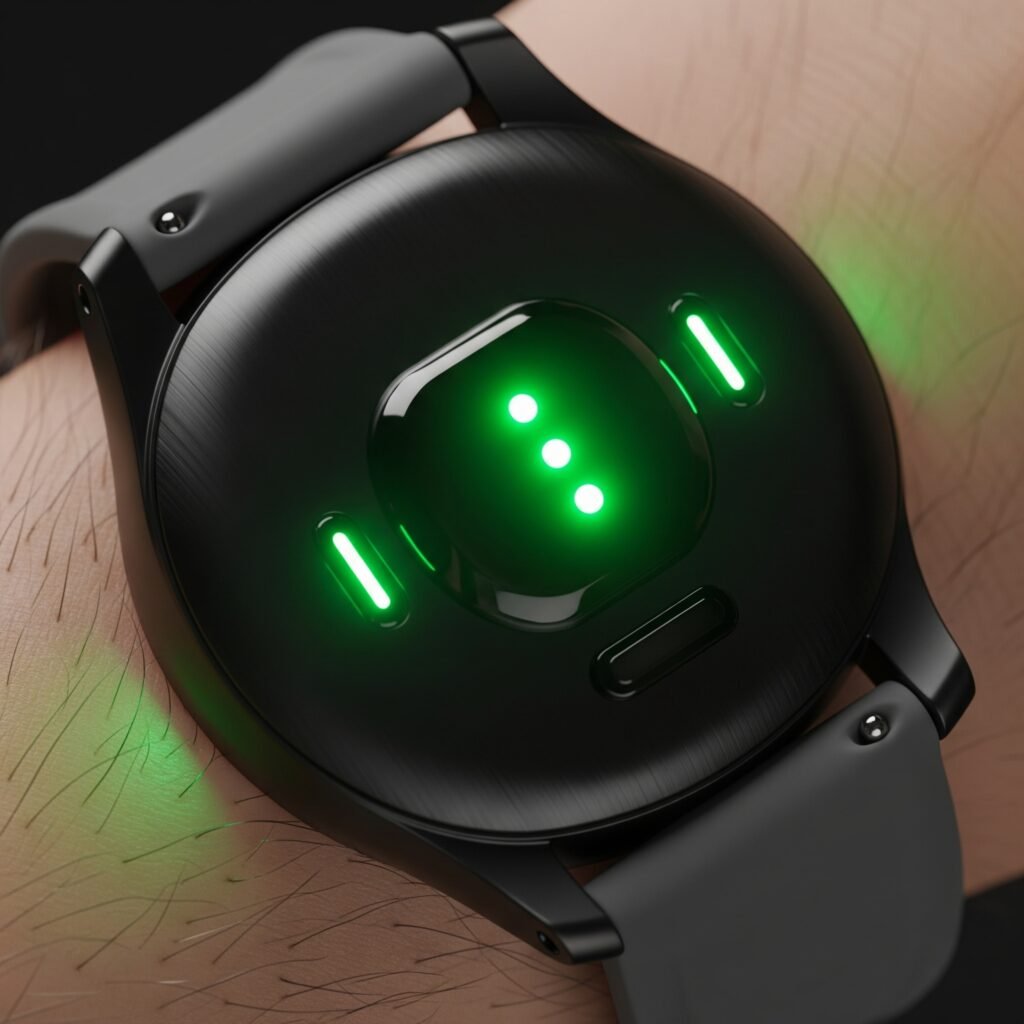
If you’ve ever seen a green light flashing on the underside of your smartwatch, you’ve seen a PPG sensor at work. These sensors use a simple yet brilliant method: they shine light into your skin and measure how much of it is absorbed or reflected by your blood flow. As your heart beats, the volume of blood in your vessels changes, altering the light’s reflection, which the device translates into your heart rate.
Key Point: PPG sensors are the core technology behind wrist-based heart rate and blood oxygen monitoring, making them essential for everyday fitness and wellness tracking.
A Deeper Look: The Power of NIRS Technology
While PPG is excellent for surface-level measurements, NIRS technology takes health tracking a step further—and deeper. By using near-infrared light, which penetrates tissue more deeply than the visible light used by PPG, NIRS can measure changes in oxygen levels within your muscles. This is a game-changer for athletes looking to optimize training and for medical applications requiring precise physiological monitoring.
Key Point: NIRS provides advanced biometric data, like muscle oxygenation, that is inaccessible to standard PPG sensors, opening doors for elite performance training and remote patient monitoring.
| Feature | PPG (Photoplethysmography) | NIRS (Near-Infrared Spectroscopy) |
| Light Type | Visible (e.g., Green, Red) | Near-Infrared |
| Penetration Depth | Superficial (Skin) | Deep (Muscle) |
| Primary Use Case | Heart Rate, SpO2 | Muscle Oxygenation (SmO2) |
| Ideal For | General Fitness & Wellness | Elite Athletics & Medical Monitoring |
The Future is Combined: Synergizing Sensors for Total Wellness
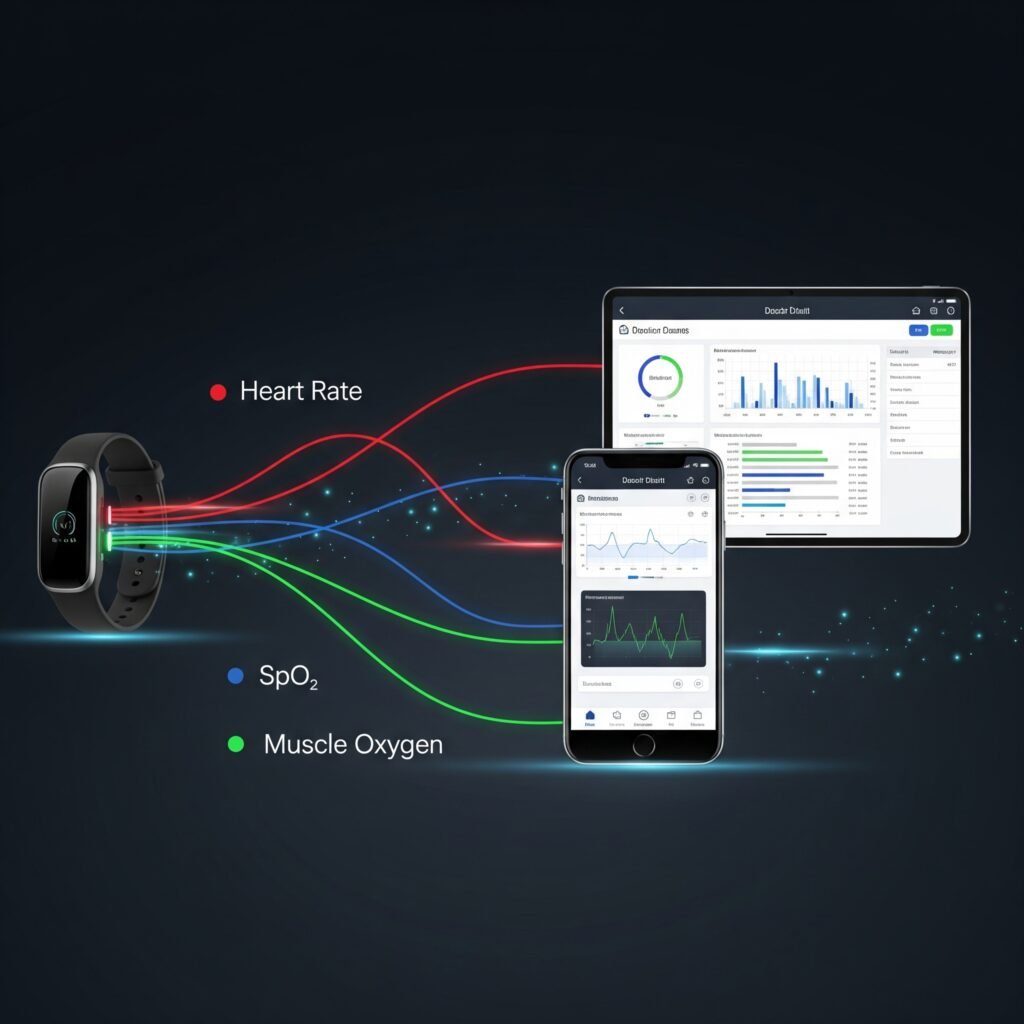
The true revolution in wearable tech lies in combining the strengths of both PPG and NIRS. Imagine a single device that tracks your heart rate during a run, monitors your blood oxygen levels, and simultaneously tells you how efficiently your muscles are using that oxygen. This synergy creates a powerful tool for a complete, 360-degree view of your body’s performance and health, paving the way for highly personalized fitness plans and advanced remote patient monitoring.
Key Point: Integrating PPG and NIRS into one wearable device will provide a comprehensive and correlated stream of biometric data, heralding a new era of personalized health technology.
Takeaway
The tiny optical sensors in our wearables are doing more than just counting steps; they are becoming indispensable tools for managing our health. By leveraging technologies like PPG and NIRS, these devices offer deep, actionable insights that were once confined to clinical settings. The future of personal health is bright, and it’s flashing right on our wrists.
Key Point: The continued advancement and integration of optical sensors are transforming wearables from fitness accessories into essential personal health companions.
Sources
- Castaneda D, Esparza A, Ghamari M, Soltanpur C, Nazeran H. A review on wearable photoplethysmography sensors and their potential future applications in health care. Int J Biosens Bioelectron. 2018;4(4):195-202. PMID: 30906922. https://pubmed.ncbi.nlm.nih.gov/30906922/
- Kulkarni M, Rajagopal S, Prieto-Simón B, Pogue B. Recent advances in smart wearable sensors for continuous human health monitoring. Talanta. 2024; 272:125817. PMID: 38402739. https://pubmed.ncbi.nlm.nih.gov/38402739/
- Hamaoka T, McCully K, Niwayama M, Chance B. The use of muscle near-infrared spectroscopy in sport, health and medical sciences: recent developments. Philos Trans A Math Phys Eng Sci. 2011;369(1955):4591-4604. PMID: 22006908. https://pubmed.ncbi.nlm.nih.gov/22006908/
Useful Resources
- Explore Wearable Tech Reviews: Visit DC Rainmaker for incredibly in-depth reviews and analysis of the latest fitness trackers and smartwatches.
- Understand Wearable Standards: Check out the Consumer Technology Association (CTA) for standards and publications on health and fitness technology.
- Follow the Science: Read the latest research and news on wearable sensors at IEEE Spectrum’s wearables section for a deeper technical dive.
FAQs
- How accurate are PPG and NIRS sensors in consumer wearables? Consumer-grade sensors have become remarkably accurate for trends and general wellness. However, for medical diagnoses, they are not yet a substitute for clinical-grade equipment. Learn more about their validation at the FDA’s Digital Health Center of Excellence.
- Is the light from these sensors harmful? No, the light used by PPG (visible) and NIRS (near-infrared) sensors is low-power and is not harmful to your skin or body.
- Who owns the biometric data my wearable collects? Data ownership policies vary by manufacturer. It’s crucial to read the privacy policy of your device and app to understand how your data is stored, used, and protected. The Future of Privacy Forum offers great resources on this topic.
Future Blog Articles
| Topic | Why this Topic? |
| Data Privacy in the Age of Wearables | As devices collect more sensitive biometric data, exploring the security and privacy challenges is crucial for building user trust. |
| The Role of AI in Interpreting Health Data | Discusses how artificial intelligence is being used to analyze the vast amounts of data from wearables to predict health issues. |
| Beyond the Wrist: The Future of Biosensors | Explores other form factors for wearable sensors, such as smart rings, patches, and clothing, and the unique data they can provide. |

Leave a Reply