Ask people how antidepressants work, and most will say they fix a chemical imbalance in the brain.
It is a neat, simple story, and you may have heard it from a doctor or a drug ad. But the science has moved on. Scientists now argue about whether low serotonin causes depression at all.2,3 So the question of how antidepressants work is far from settled. If you take one of these drugs, or are thinking about it, that debate matters to you.
Here is the short version: in a review of 522 trials, all 21 antidepressants studied worked better than placebo.1 Why they help is a far more open question.
| Objective | Outcome |
|---|---|
| Where the serotonin idea came from | Understand what SSRIs do in the brain |
| What newer research suggests | See why scientists now study brain rewiring |
| How well antidepressants work | Weigh benefits, side effects, and stopping safely |
The Serotonin Story: Where the Idea Came From
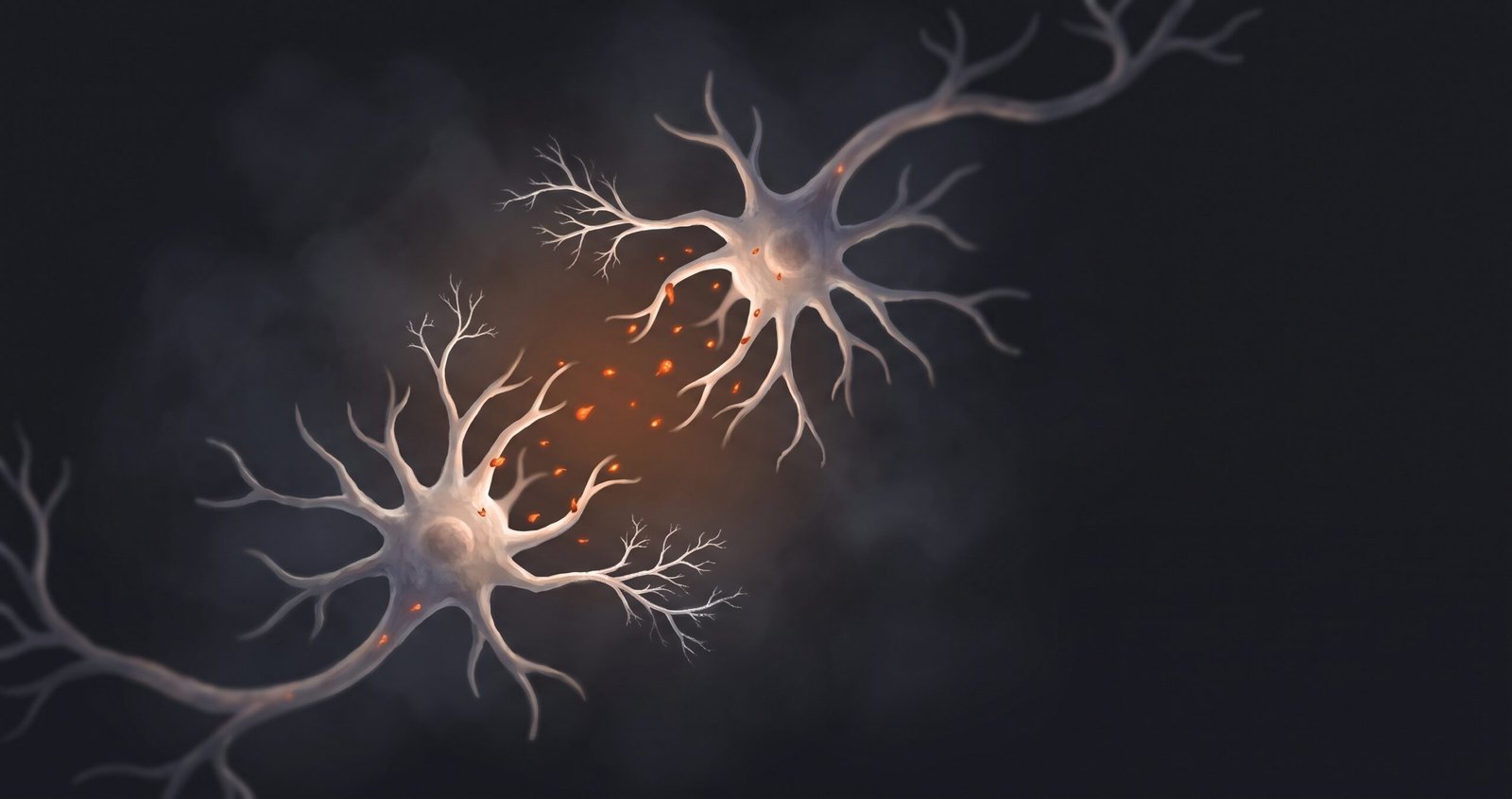
The most common antidepressants are SSRIs (selective serotonin reuptake inhibitors). Serotonin is a chemical messenger that nerve cells use to send signals. After each signal, the sending cell pulls its serotonin back in, a bit like a vacuum cleaner tidying up. SSRIs block that vacuum. As a result, more serotonin stays in the gap between cells. The idea that low serotonin causes depression is more than 50 years old.4
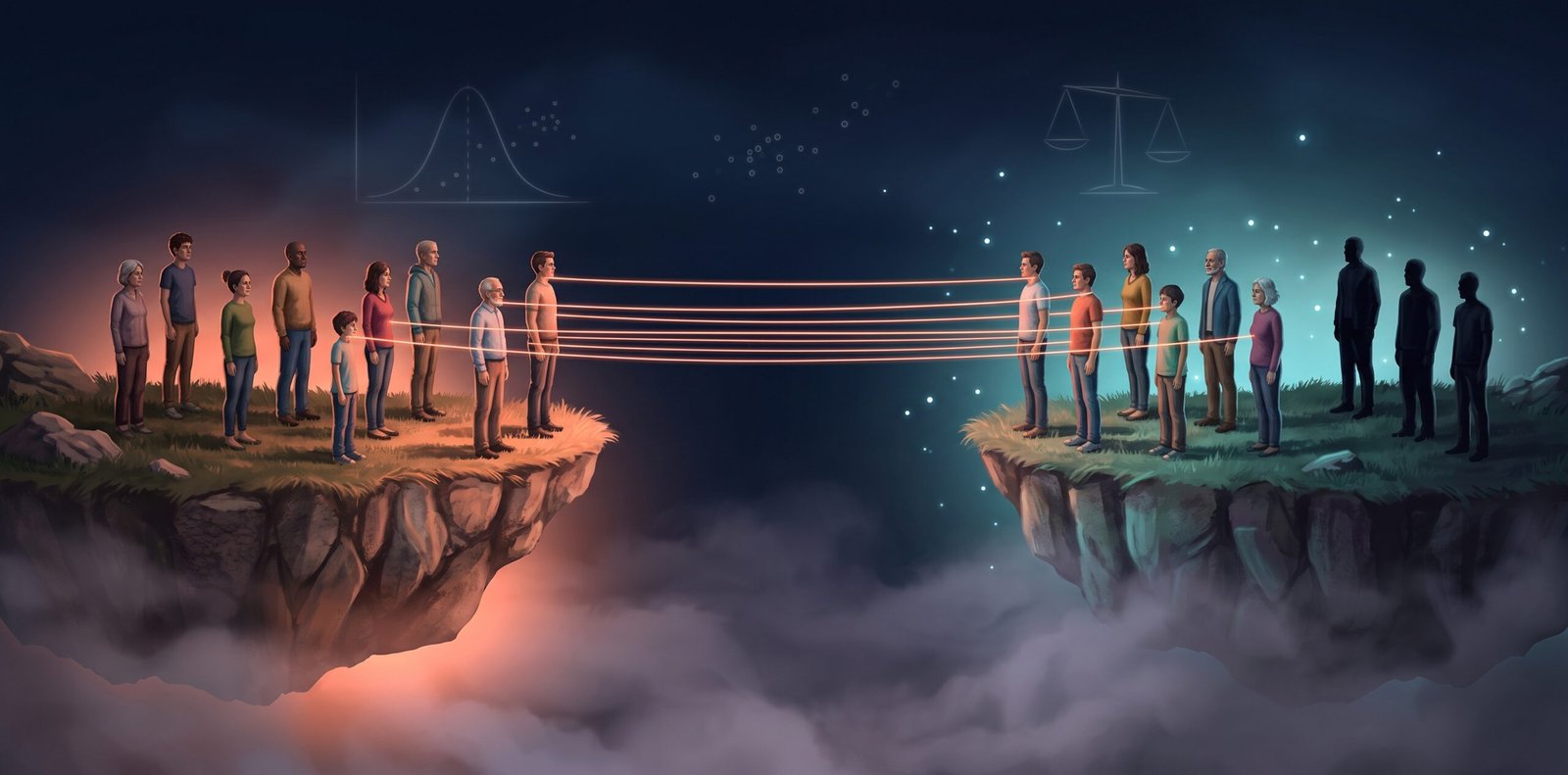
Then, in 2022, a large umbrella review (a review of earlier reviews) found no clear link between low serotonin and depression.2 Two huge gene studies, with more than 115,000 and 43,000 people, found no link either.2 But critics hit back fast. A group of 35 psychiatrists said the review overstated its case and played down brain scans and tests that briefly lower serotonin.3
The real fight is over cause: SSRIs clearly act on serotonin, but whether low serotonin causes depression is still hotly debated.
Beyond Serotonin: Newer Ideas About How Antidepressants Work
Here is a puzzle. If extra serotonin explained how antidepressants work, why would most people wait 4 to 8 weeks to feel better? Sleep and appetite often improve before mood does, as the National Institute of Mental Health (NIMH) notes.
One leading answer is neuroplasticity, the brain’s ability to rewire itself. A protein called BDNF (brain-derived neurotrophic factor) works like fertilizer for new brain links. In a 2021 study, both standard and fast-acting antidepressants latched onto BDNF’s receptor and boosted its signal.5 That work used cells and mice, so it still needs testing in people.
Faster drugs offer another clue. Esketamine, a nasal spray for hard-to-treat depression, eased symptoms by day 2 in trials.8 Yet the gain was modest, and more people felt briefly detached from themselves, a side effect called dissociation.8
The weeks-long wait may be our best clue to how antidepressants work.
How Well Do They Work, and What Are the Side Effects?
Knowing how antidepressants work is one question; how well they work is another. On average they help, but less than many expect. Data from 232 trials with 73,388 people, held by US drug regulators, showed that drugs beat placebo by 1.75 points on a standard depression scale.6 Averages hide a lot, though. About 15% of people had a large benefit beyond placebo.6
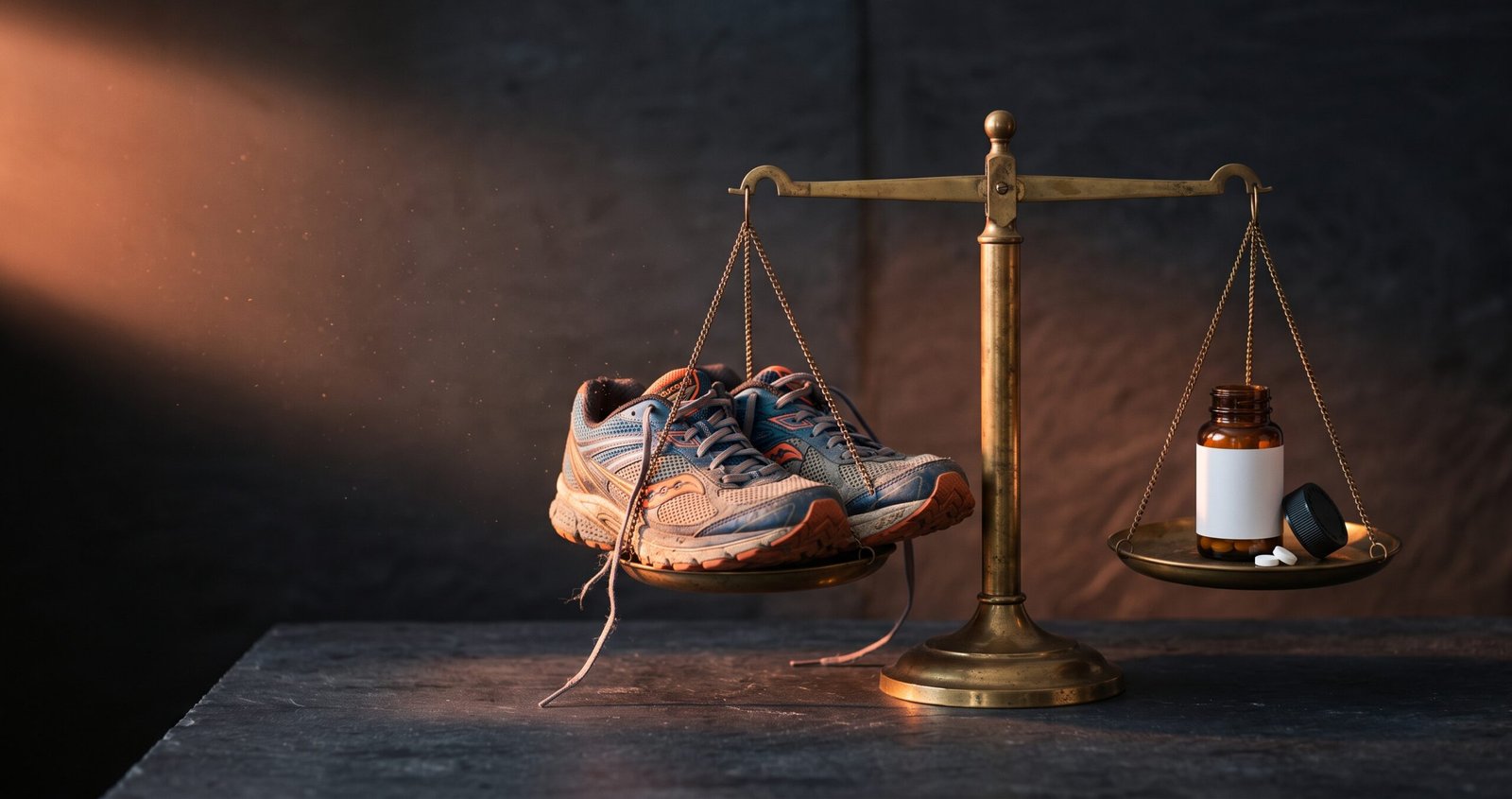
Stopping needs care too. Even allowing for placebo, about 1 in 6 or 7 people get stopping symptoms (unpleasant effects after the last dose), but severe ones are rare.7 Our companion post weighs regular physical activity against antidepressants.
| Question | What the research found | Source |
|---|---|---|
| Do they beat placebo? | All 21 drugs studied did better than placebo | Cipriani 2018 (ref 1) |
| How big is the extra benefit? | About 15% of people had a large benefit beyond placebo | Stone 2022 (ref 6) |
| What happens after stopping? | About 1 in 6 or 7 get stopping symptoms; severe cases are rare | Henssler 2024 (ref 7) |
The average benefit is real but modest, so plan any change, and especially stopping, with your clinician.
Takeaway
So, how antidepressants work is still an open question. The chemical imbalance story is too simple, and brain rewiring is a promising lead, not a settled answer. Whether they work is clearer: on average they beat placebo, and some people gain a lot.1,6 If you take one, keep your clinician in the loop, and never stop on your own.
“All antidepressants were more efficacious than placebo in adults with major depressive disorder.”
Cipriani and colleagues, The Lancet, 20181
References
- Cipriani A, Furukawa TA, Salanti G, Chaimani A, Atkinson LZ, Ogawa Y, et al. Comparative efficacy and acceptability of 21 antidepressant drugs for the acute treatment of adults with major depressive disorder: a systematic review and network meta-analysis. Lancet. 2018;391(10128):1357-66. doi: 10.1016/S0140-6736(17)32802-7
- Moncrieff J, Cooper RE, Stockmann T, Amendola S, Hengartner MP, Horowitz MA. The serotonin theory of depression: a systematic umbrella review of the evidence. Mol Psychiatry. 2023;28(8):3243-56. doi: 10.1038/s41380-022-01661-0
- Jauhar S, Arnone D, Baldwin DS, Bloomfield M, Browning M, Cleare AJ, et al. A leaky umbrella has little value: evidence clearly indicates the serotonin system is implicated in depression. Mol Psychiatry. 2023;28(8):3149-52. doi: 10.1038/s41380-023-02095-y
- Jauhar S, Cowen PJ, Browning M. Fifty years on: serotonin and depression. J Psychopharmacol. 2023;37(3):237-41. doi: 10.1177/02698811231161813
- Casarotto PC, Girych M, Fred SM, Kovaleva V, Moliner R, Enkavi G, et al. Antidepressant drugs act by directly binding to TRKB neurotrophin receptors. Cell. 2021;184(5):1299-313.e19. doi: 10.1016/j.cell.2021.01.034
- Stone MB, Yaseen ZS, Miller BJ, Richardville K, Kalaria SN, Kirsch I. Response to acute monotherapy for major depressive disorder in randomized, placebo controlled trials submitted to the US Food and Drug Administration: individual participant data analysis. BMJ. 2022;378:e067606. doi: 10.1136/bmj-2021-067606
- Henssler J, Schmidt Y, Schmidt U, Schwarzer G, Bschor T, Baethge C. Incidence of antidepressant discontinuation symptoms: a systematic review and meta-analysis. Lancet Psychiatry. 2024;11(7):526-35. doi: 10.1016/S2215-0366(24)00133-0
- Xie J, Pu C, Sun M. Intranasal esketamine plus oral antidepressant for treatment-resistant depression: acute induction and maintenance relapse-prevention outcomes in a systematic review and meta-analysis. Front Psychiatry. 2026;17:1774549. doi: 10.3389/fpsyt.2026.1774549
Useful Resources
- NIMH: Depression: Signs, symptoms, and treatment options from the US National Institute of Mental Health.
- NIMH: Mental Health Medications: Plain-language guide to antidepressant types, timing, and safety warnings.
- MedlinePlus: Antidepressants: The National Library of Medicine’s overview of how to take antidepressants safely.
- MedlinePlus: Depression, Stopping Your Medicines: Questions to ask your clinician before you taper off an antidepressant.
FAQs
How long do antidepressants take to work?
Most people need 4 to 8 weeks to feel the full effect. Sleep, appetite, and energy often improve before mood does, so give it time. The NIMH guide to mental health medications explains what to expect.
Is depression caused by a chemical imbalance?
Not in the simple way the old story suggests. Scientists still debate how antidepressants work and what serotonin does, as the umbrella review and its critics show. The NIMH says genes, biology, environment, and psychology all play a part.
Is it safe to stop taking an antidepressant?
Yes, if you do it slowly with your clinician. Stopping suddenly can bring depression back or cause flu-like symptoms, poor sleep, or dizziness. This MedlinePlus guide walks you through the talk to have first.
Can physical activity help with depression?
It can, and it pairs well with other care. Our post Physical Activity vs Antidepressants: The Surprising Results compares the two side by side.
Are antidepressants safe for young people?
They can help, but people under 25 may have more suicidal thoughts in the first weeks or after a dose change, so close follow-up matters (NIMH). If you or someone you know is struggling, call or text the 988 Suicide & Crisis Lifeline at 988.
Leave a Reply